Sep 21, 2026Industry Insights
IPA vs Ethanol vs Methanol: Choosing the Right Industrial Alcohol Solvent
Evaporation, polarity, cost and compliance differences between isopropyl alcohol, ethanol and methanol for industrial applications.
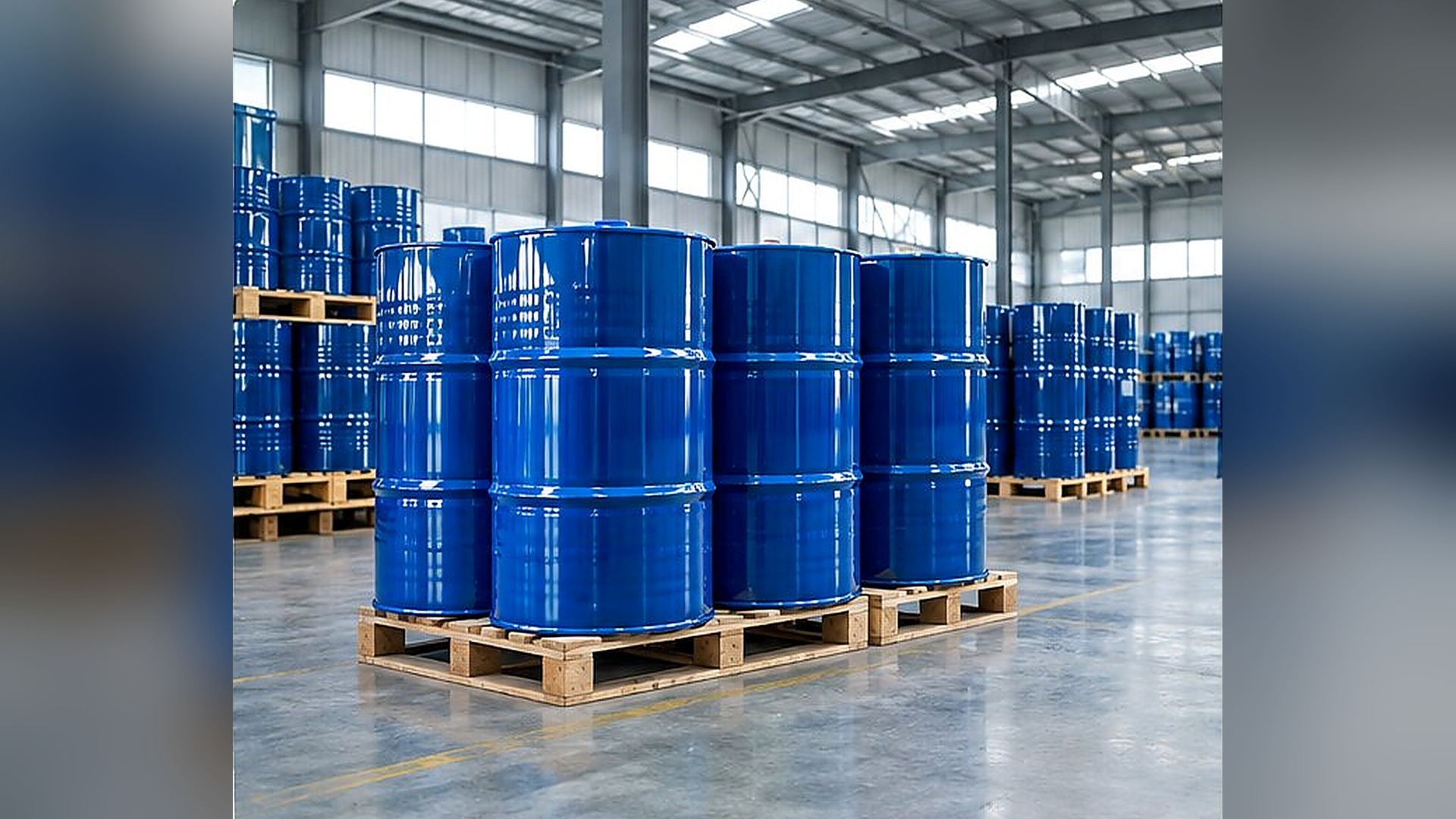
Choosing an industrial alcohol on price alone usually makes the rest of the plant pay for it. Methanol, ethanol and isopropyl alcohol (IPA) overlap in a handful of applications, but they differ in evaporation rate, polarity, solvency and regulatory treatment, and a substitution changes cleaning results, coating quality, drying time and safety documentation. The practical question is not which alcohol is superior overall but which molecule fits the process. Because these are high-volume consumables, buyers also need more than a low price per drum: they need an isopropyl alcohol supplier, ethanol supplier or methanol supplier who holds specification across every shipment.
Three alcohols, three different jobs
Isopropyl alcohol is the standard choice where fast evaporation and minimal residue matter, such as industrial and precision cleaning. Ethanol is a mainstay of pharmaceutical processing, cosmetics and coatings. Methanol sits further upstream as a raw material for formaldehyde resins, other solvents and chemical synthesis, and it is generally the typically the lowest-cost molecule of the three, with regional pricing you should confirm against your own market in most markets. Choosing the molecule for the job comes first; grade and logistics optimization come after.
A quick rule of thumb for selection: if the task is cleaning and fast dry-off, evaluate IPA first. If the process needs an ethanol-compatible regulatory environment or ethanol-grade purity, keep ethanol. If you are buying a raw material for downstream synthesis and the specification allows it, methanol usually offers the most economical molecule. Still run your own trials before switching, because process validation outranks any rule of thumb.
Isopropyl alcohol for cleaning and electronics
IPA (CAS 67-63-0, molecular formula C3H8O) evaporates quickly, dissolves oils and flux residues well and leaves minimal residue, which is why electronics and precision cleaning lines rely on it for cleaning, surface preparation and wiping before coating or bonding. Because those lines run continuously, they treat consistent IPA supply as production-critical: a drifting batch or a late delivery can idle an entire step.
That is where an isopropyl alcohol supplier earns the order. Batch certificates, stable purity and realistic lead times protect the line more than a small price advantage on a drum, and buyers who have been burned by a bad lot rarely switch back to save a few dollars.
Also confirm that your supply line can keep up with demand swings. Cleaning solvent consumption rises and falls with production schedules, and a supplier without reliable allocation will make you carry that risk in the form of longer lead times exactly when you need them shortest.
Ethanol and methanol in manufacturing
Ethanol (CAS 64-17-5, molecular formula C2H6O) is used in pharmaceutical processing, cosmetics, coatings and as a chemical raw material, with denatured and industrial grades matched to each use. Methanol (CAS 67-56-1, molecular formula CH4O) is a basic building block for formaldehyde resins, other solvents and downstream synthesis, and generally the cost-advantaged alcohol in most markets of the three in most markets. Its toxicity, however, adds handling, storage and workplace-control obligations that should be priced into the choice rather than discovered after the contract is signed.
Application detail matters inside these broad categories. Denatured ethanol avoids the duty and permit structures attached to potable alcohol, which is why industrial users specify it precisely; methanol grades differ by water content and trace impurities depending on whether the end use is resin production, solvent blending or synthesis. Spell out the end use when you ask for a quotation, because a grade that suits one line can be a compliance problem for another.
Compliance, packaging and documentation
All three alcohols are flammable liquids under international dangerous goods rules. Isopropyl alcohol ships as UN 1219, ethanol as UN 1170 and methanol as UN 1230, each typically in 160 kg drums, and every export requires UN-standard packaging, hazard labels and a complete documentation set. Destination-country regulations differ as well, so confirm the grade and any local permit requirements before ordering. A supplier with hazardous chemical export experience raises these points before you commit, not when the cargo is already booked.
Summary: choose by application, then optimize
Start from the process, not the price list. If you are comparing IPA, ethanol or methanol for a new or existing line, send your application, required specification, quantity and destination port to annie@ydfchem.com or message us on WhatsApp at +86 156 8428 8875. Our team will compare the options and help you request the right specification. If you prefer, we can also confirm the export documentation and packaging for the grade you select, so the quotation arrives ready for your logistics team.