Sep 21, 2026Buying Guides
How to Source Tetrahydrofuran (THF) from China: A Buyer's Checklist
A practical THF sourcing checklist for industrial buyers: specifications, packaging, export documentation and supplier evaluation.
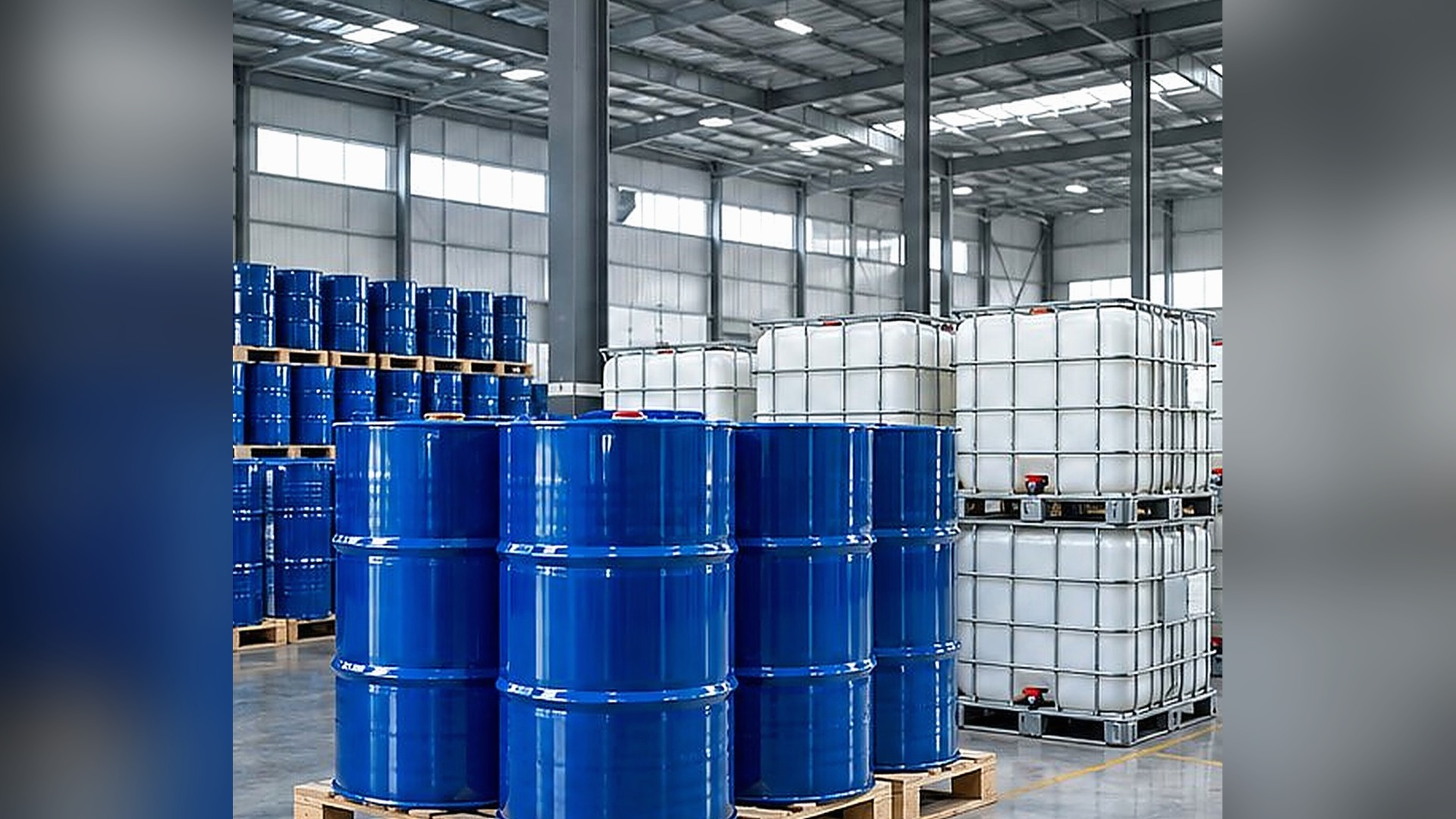
Tetrahydrofuran sourcing problems rarely start at the port. They start weeks earlier, when a quotation says tetrahydrofuran but nobody confirms the specification your process was validated on, or when the dangerous goods file is incomplete and a container waits at the port while your line runs out of solvent. For procurement and technical buyers who source tetrahydrofuran from China for pharmaceutical synthesis, polymer processing or chemical manufacturing, the real cost of a sourcing mistake is not the drum price: it is re-qualification, downtime and a rushed second order. This checklist is meant to be used before the next RFQ goes out, so that qualification happens once and in writing rather than after a failed delivery.
Why buyers source THF from China
China is one of the largest production bases for THF and its upstream raw materials, so international buyers evaluate tetrahydrofuran suppliers there for available volume and competitive terms. The practical question is not whether to source from China, but how to choose a supplier that holds specification across batches, ships with complete documentation and answers commercial questions without delay.
Beyond the supplier website, ask for three documents up front: the current COA, the SDS and a sample of the export file they would issue for your shipment. A supplier who produces them quickly, with batch numbers and dates that line up, is telling you how the rest of the transaction will run. Slow, incomplete or contradictory paperwork at the quotation stage is the same paperwork that will later stop your container at customs.
Confirm the specification before comparing prices
Tetrahydrofuran is identified by CAS number 109-99-9, molecular formula C4H8O and molecular weight 72.11 g/mol. Grade expectations differ by application: pharmaceutical synthesis, polymer and resin processing, and chemical manufacturing each tolerate different impurity and moisture profiles. Before requesting quotes, define the specification range your process requires and ask every candidate supplier for a current COA and SDS. Confirm appearance, purity, moisture, stabilizer type and packaging against your incoming inspection standard. Pay particular attention to how moisture and stabilizer levels are controlled during storage and drumming, because those are the parameters most likely to drift between batches and cause trouble in downstream processing.
Expect to qualify before you scale. Even when the paperwork says the right CAS number, most buyers run a sample or a pilot lot through their own incoming test before committing bulk volume. Compare the supplier COA with your lab results on the same batch; the gap between them is the tolerance you will live with. Also confirm in writing how a rejected lot is handled and who arranges replacement, before the first container ships. If a supplier cannot document these points clearly, their quotation is not comparable to one that can.
Packaging, classification and shipping options
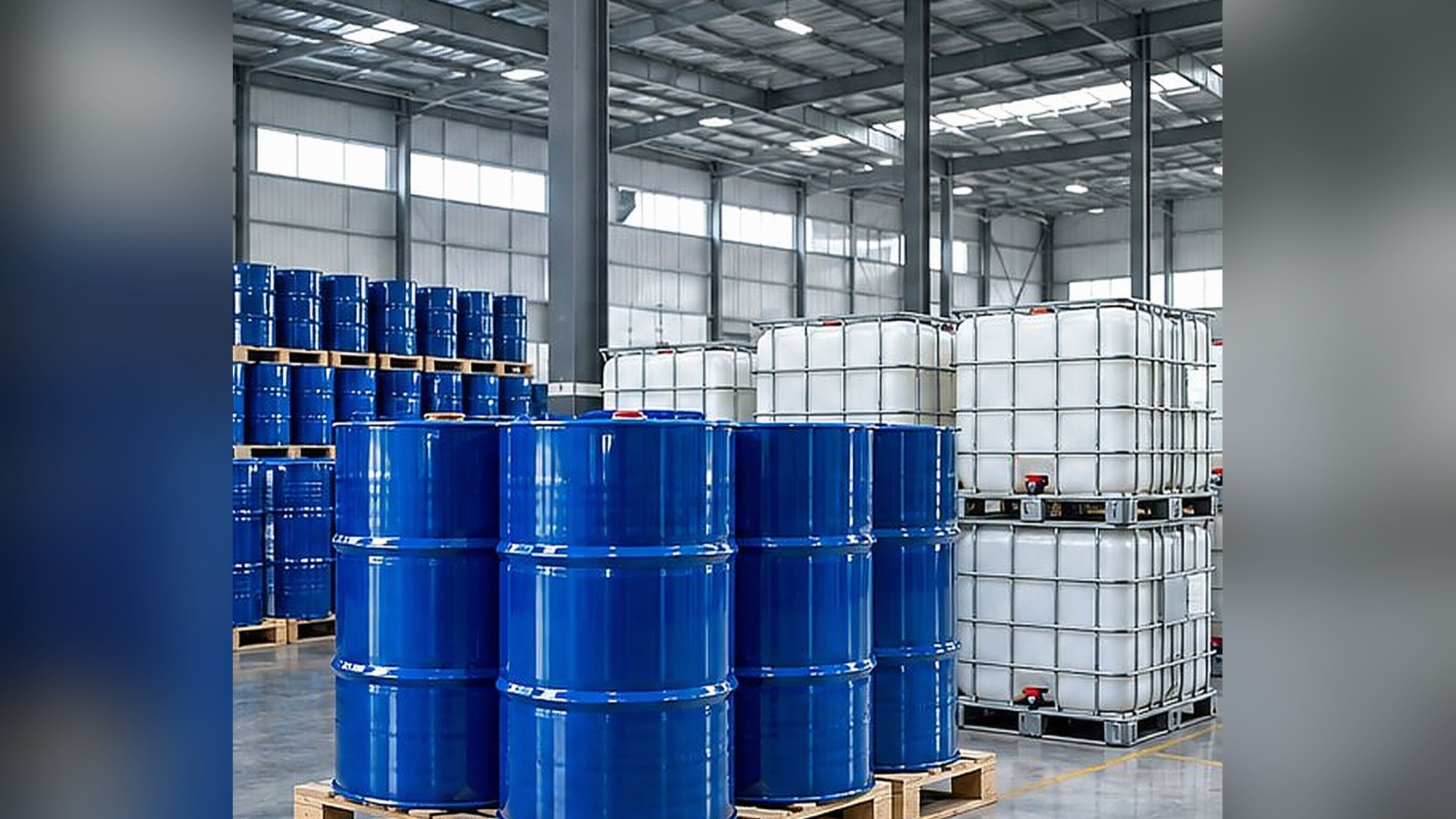
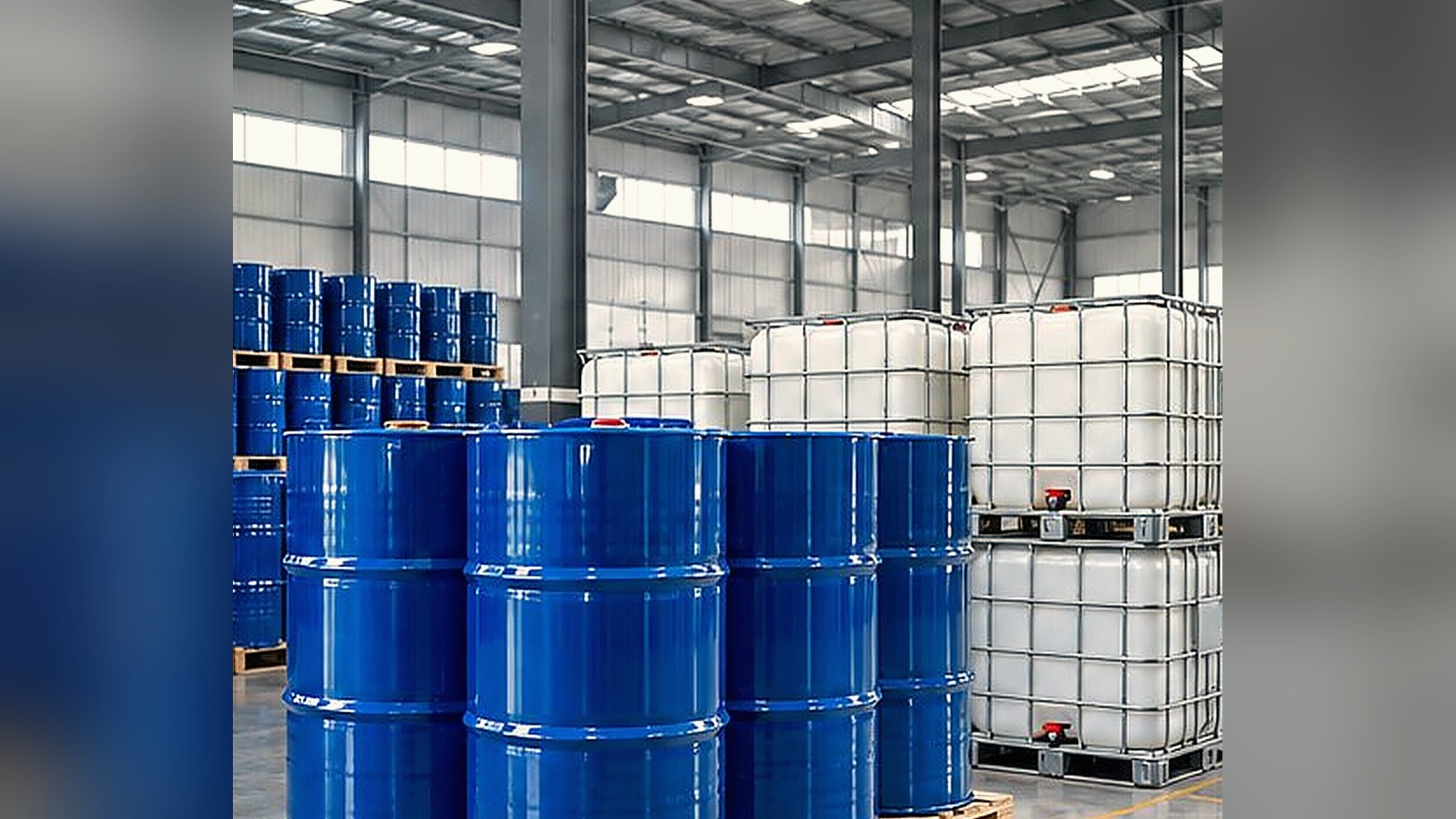
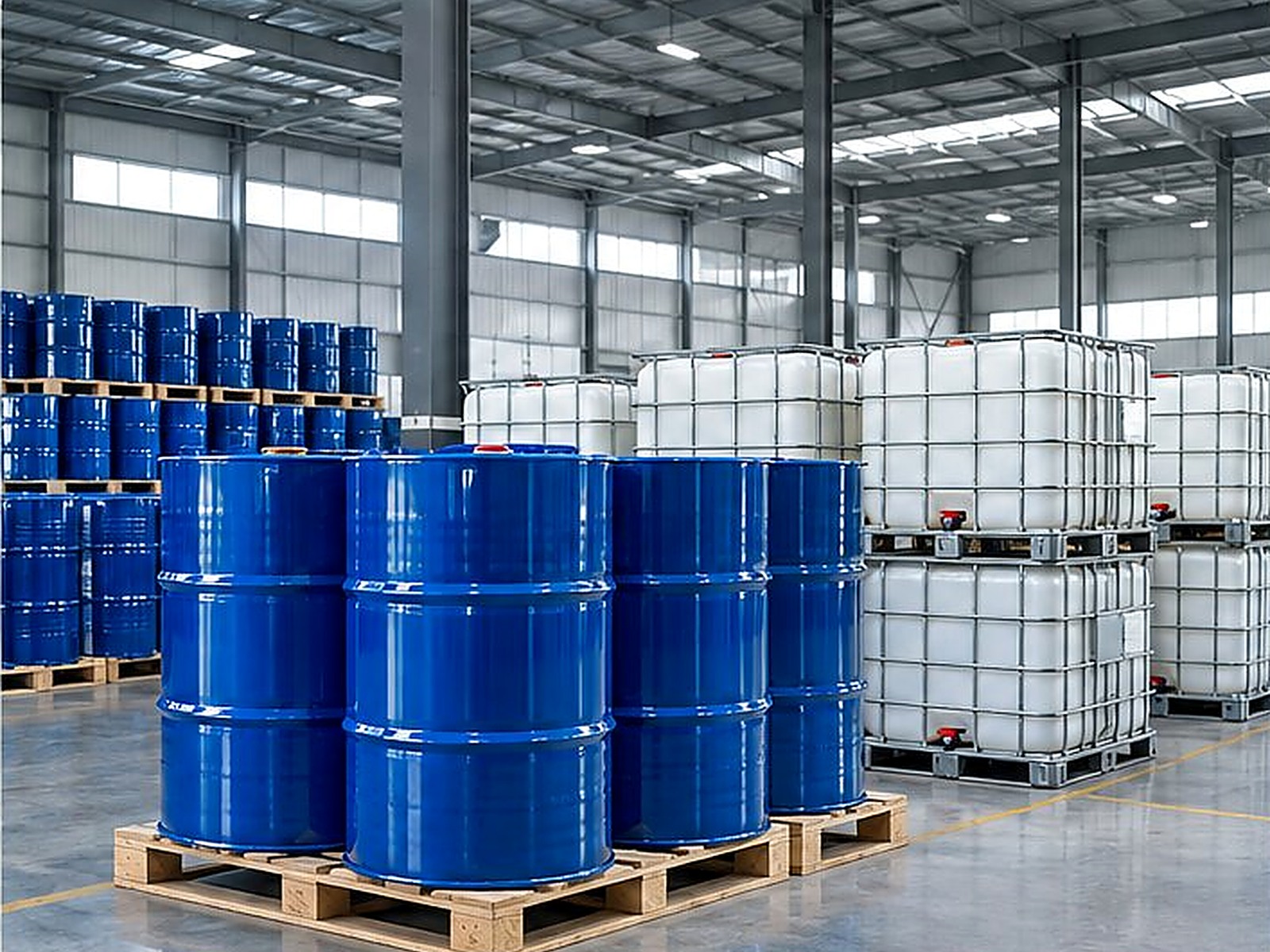
THF is classified as a flammable liquid for international transport and ships under UN number 2056. Standard export packaging is the 180 kg drum, and volume can move as a full container load (FCL) or a less than container load (LCL) consolidation, depending on the product and your destination. Confirm that the supplier uses UN-standard packaging with compliant marks and labels, and ask about the port of loading, sailing schedules and how drums are stored between production and loading.
Do not underestimate the paperwork side of a hazardous chemical shipment. A missing transport declaration or a label that does not match the classification can stop a container at the destination port, weeks after the supplier has moved on to the next order. Documentation readiness is a supplier capability, not an afterthought, so verify it during evaluation rather than discovering it at the port.
How to evaluate a THF supplier
Qualification should cover four areas. License scope: a hazardous chemical trader should hold a full-category hazardous chemical business license that covers the product. Quality control: look for a defined process, not a promise. Every shipment from Shandong Yuandafeng Chemical passes incoming sampling, retained-sample rechecking and pre-shipment inspection. Documentation discipline: COA, SDS and the export file should be ready without repeated chasing. Logistics communication: a supplier who is vague on lead times before the order will not improve after it.
If the supplier is new to you, request a sample or a trial quantity before committing to a large volume, and confirm how batch traceability and quality claims would be handled in writing. Those questions look administrative today, but they decide whether a future problem is resolved in a week or a quarter. A supplier who treats them as routine is easier to plan around than one who treats them as a burden.
Request a quotation
Send an inquiry that includes the product name (tetrahydrofuran, THF), CAS number 109-99-9, the specification you need, estimated quantity, preferred packaging such as 180 kg drums, and your destination port. Email annie@ydfchem.com or contact us on WhatsApp at +86 156 8428 8875. Our sales team will confirm availability and respond with a supply plan matched to your requirement, including a delivery schedule if this is a recurring volume.