Oct 5, 2026Buying Guides
Ethyl Acetate vs Butyl Acetate: Which Ester Solvent Fits Your Formulation?
Ethyl acetate vs butyl acetate compared for coatings, inks and adhesives: evaporation rate, solvency, DG class, packaging and what to confirm before ordering from China.
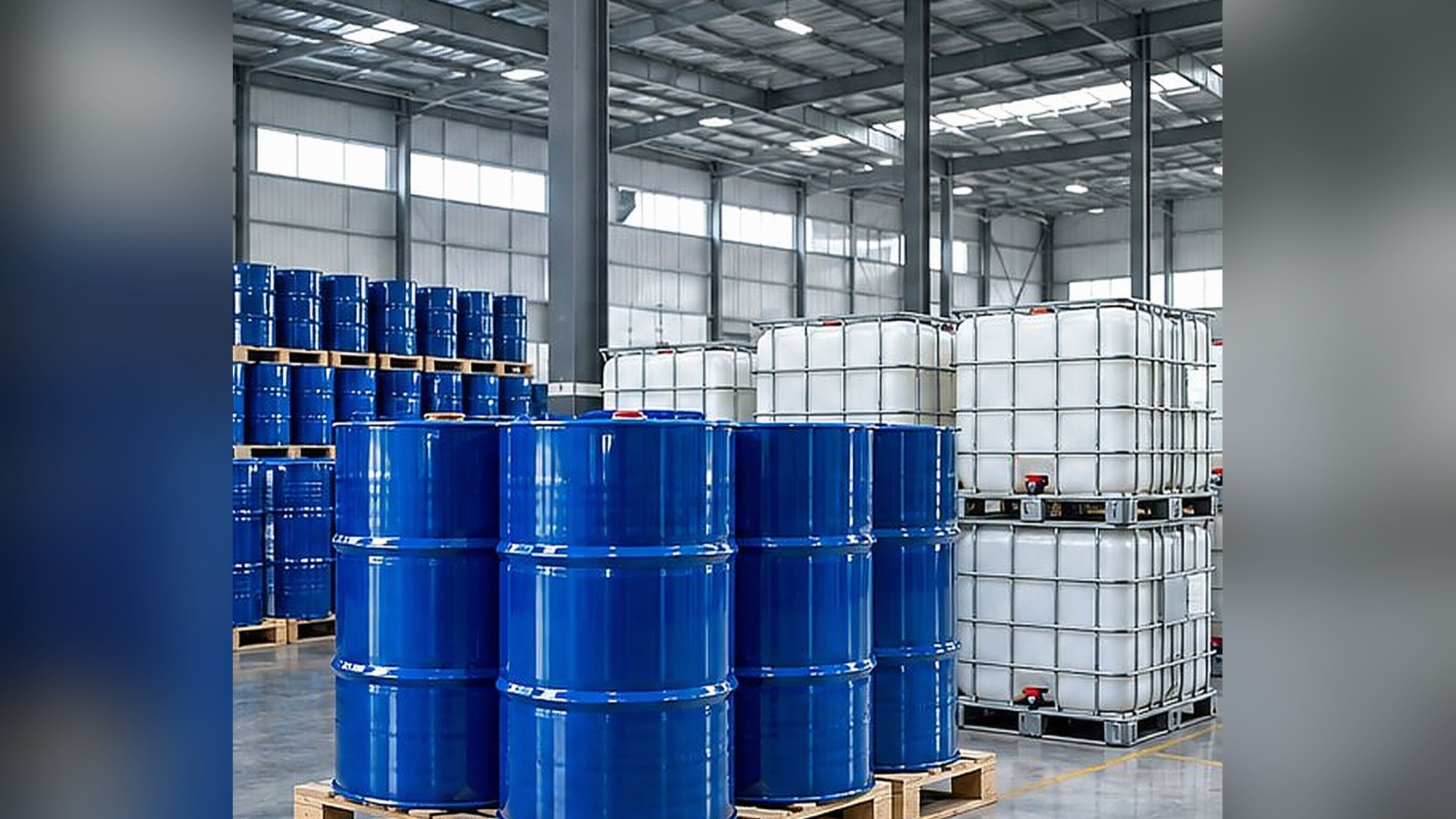
Ethyl acetate and butyl acetate are both fast-dissolving ester solvents, but they solve different problems: ethyl acetate (CAS 141-78-6) evaporates several times faster and is the standard carrier for printing inks, wood coatings and adhesives where quick solvent release drives line speed, while butyl acetate (CAS 123-86-4) evaporates more slowly, improves flow and leveling, and is preferred in paints and coatings where film defects must be avoided. Yuandafeng Chemical supplies both at 99.5 to 99.9% purity in 180 kg drums, IBC totes and ISO tanks for international export.
Quick comparison at a glance
Ethyl acetate: C4H8O2, purity 99.9% min, UN 1173, packing group II. Butyl acetate: C6H12O2, purity 99.5% min, UN 1123, packing group III. Both are Class 3 flammable liquids, both ship in 180 kg steel drums, IBC totes and ISO tanks, and both are available with a batch COA and optional third-party inspection. The practical difference is not chemical purity but evaporation behavior: choosing the wrong one shows up either as slow production lines or as visible film defects.
What is ethyl acetate used for?
Ethyl acetate is the workhorse ester solvent for flexographic and gravure printing inks, wood coatings, adhesives and pharmaceutical extraction. Its high evaporation rate shortens drying ovens and increases line throughput, and its residual odor after full evaporation is low, which matters for food-contact packaging printed with solvent-based inks. At 99.9% minimum purity it also serves as a cleaning and thinning solvent where a neutral, quick-flash character is required.
What is butyl acetate used for?
Butyl acetate evaporates more slowly and dissolves a wide range of resins, which makes it the flow and leveling solvent in paints and industrial coatings. It reduces brush and spray marks, helps prevent blistering in thicker films and gives formulators a wider application window on hot or humid days. It is also widely used in inks and adhesives as a co-solvent that tails the drying curve after faster solvents have flashed off.
The core difference: evaporation rate and film formation
In a typical formulation the two esters work as a team rather than as competitors. Fast solvents like ethyl acetate control initial set and line speed; slow solvents like butyl acetate keep the film open long enough for leveling and gloss to develop. If a coating dries with orange peel, pinholes or blushing, the evaporation balance is usually wrong: adding a slower solvent such as butyl acetate extends open time, while swapping in ethyl acetate speeds up handling and stack times.
A practical starting point for many ink and coating systems is a blended ester package: ethyl acetate for the front end of the evaporation curve and butyl acetate for the tail. The ratio is tuned by substrate, oven length, ambient conditions and the resin system, which is why many buyers source both grades in parallel and adjust the blend by season and application.
Packaging and DG classification for export
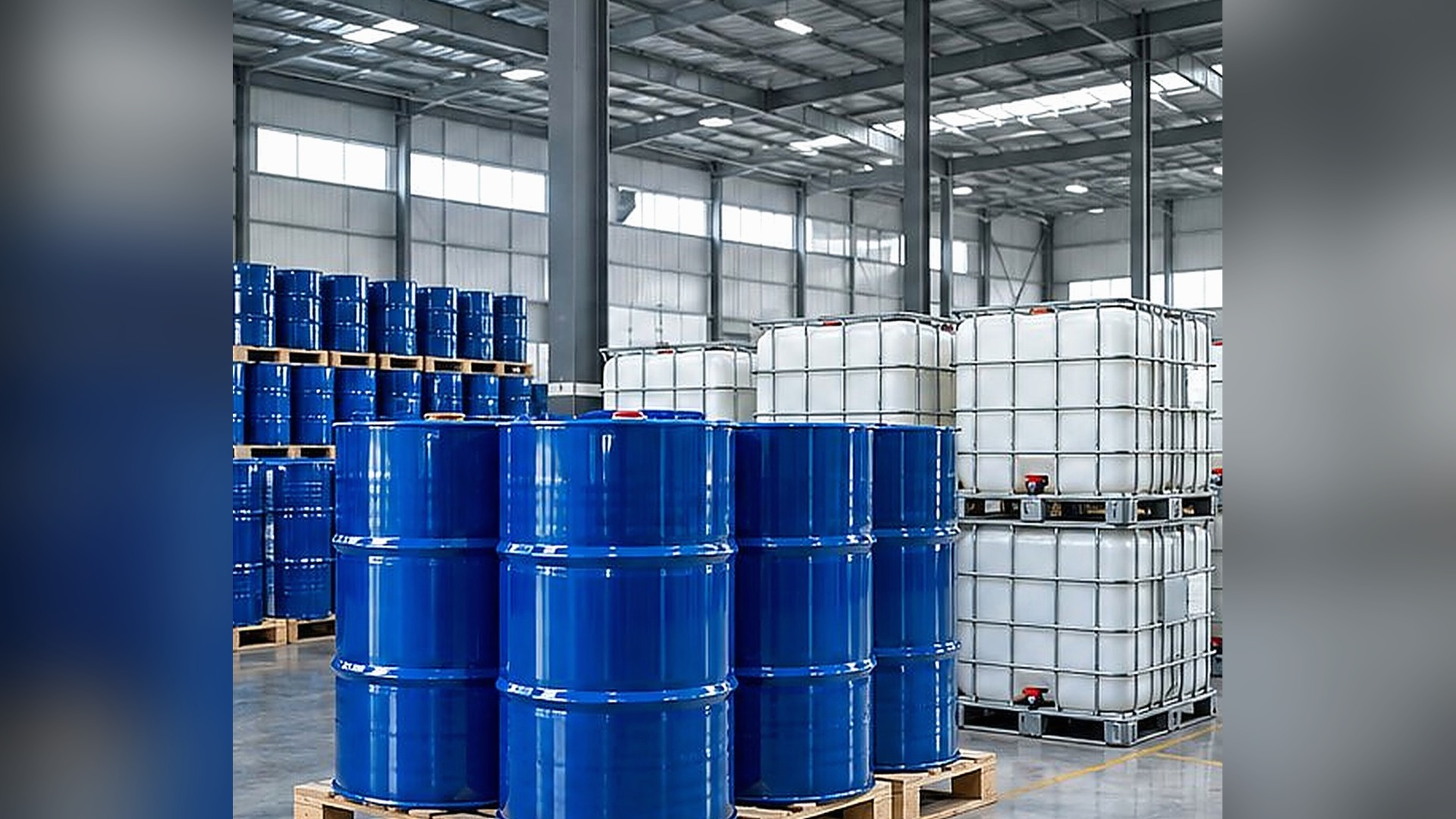
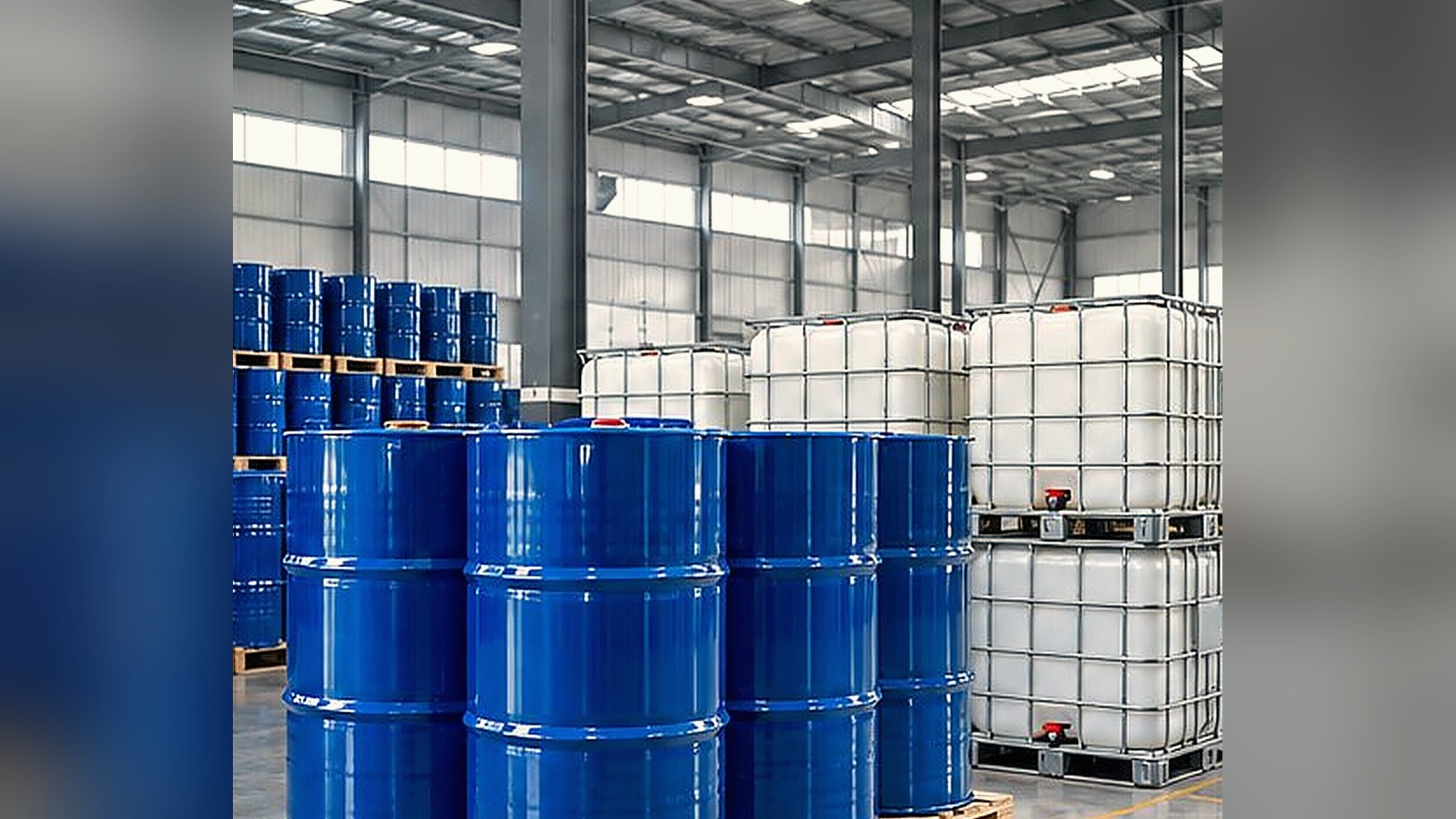
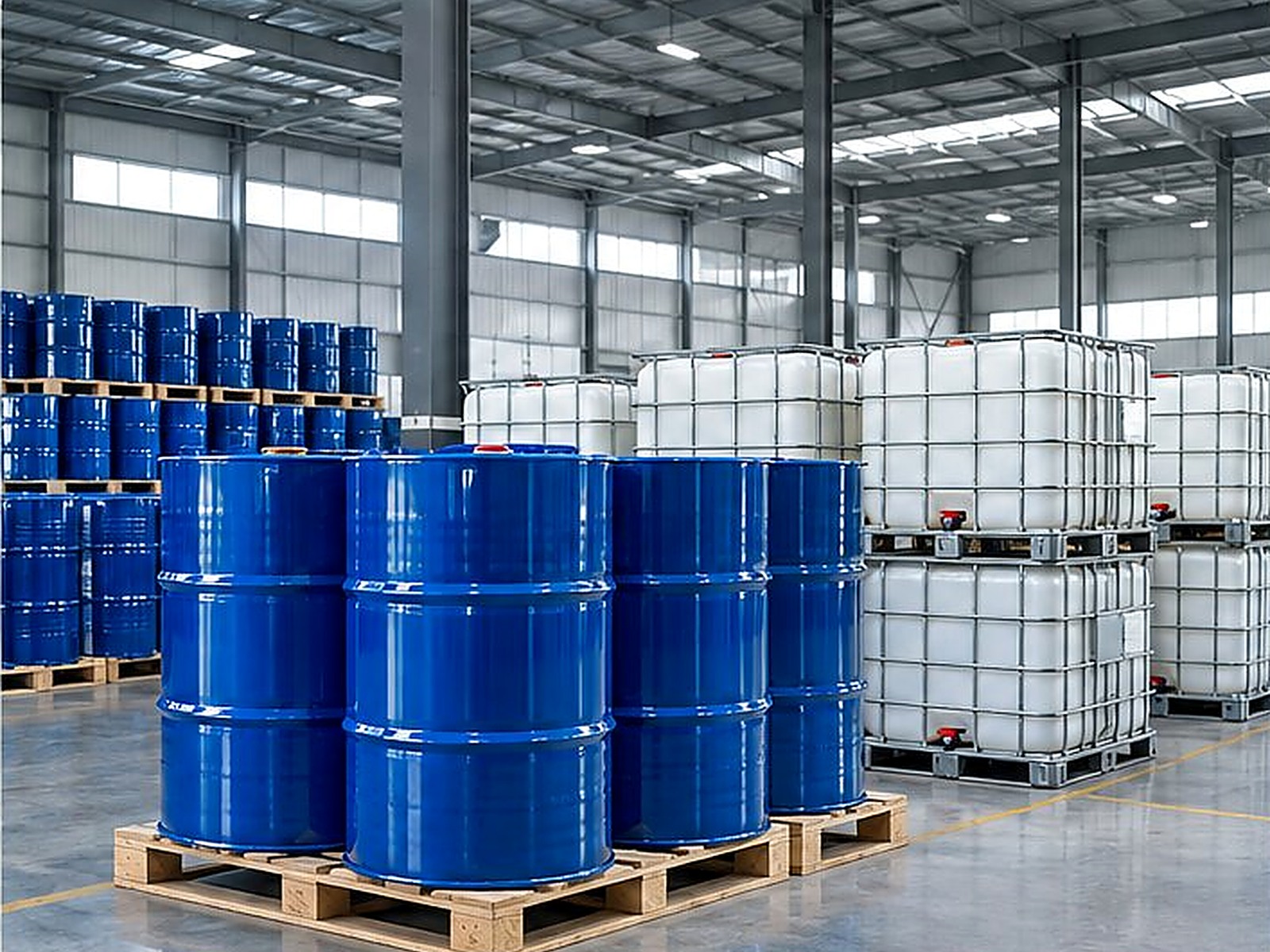
Both esters ship as UN Class 3 flammable liquids in 180 kg steel drums, IBC totes and ISO tanks. Ethyl acetate is UN 1173, packing group II; butyl acetate is UN 1123, packing group III, a lower hazard tier that can ease handling and stowage requirements on some routings. Every export shipment is prepared with the full documentation set (MSDS, DG declaration and transport papers), and drums and totes are inspected for condition, labeling and quantity before loading.
Checklist before ordering ester solvents from China
Confirm five points before placing an order: the purity and specification basis (ethyl acetate 99.9% min, butyl acetate 99.5% min, with water and acidity limits stated on the COA); the packaging mix and palletization; the DG class and packing group for your destination routing; lead time against production and stock availability; and whether you want third-party inspection such as SGS or BV arranged before dispatch. A supplier that answers these five points precisely will usually handle the shipment precisely.
Frequently asked questions
Is ethyl acetate stronger than butyl acetate as a solvent? They dissolve overlapping resin systems, but ethyl acetate is the stronger, faster evaporator while butyl acetate offers slower release and better flow. Solvent strength alone is the wrong criterion; match the evaporation curve to the application.
Can I replace ethyl acetate with butyl acetate one to one? Not directly. The slower evaporation of butyl acetate changes drying time, stackability and film formation, so reformulation or blending is required rather than a simple swap.
Which ester is cheaper per ton? Prices move with feedstock markets and order size. As a rule butyl acetate carries a moderate premium over ethyl acetate, and both are quoted against the current market; request a quotation with specification and destination port for an accurate number.
Request a quotation
Yuandafeng Chemical supplies ethyl acetate (99.9%), butyl acetate (99.5%) and methyl acetate (99.5%) from Shandong, China, in 180 kg drums, IBC totes and ISO tanks, with batch COA and export documentation for every shipment. Send your specification, quantity and destination port to receive a quotation, lead time and packaging proposal.