Buying Guides
Acetonitrile vs Methanol for HPLC: Which Mobile Phase Should You Choose?
Acetonitrile and methanol are the two organic modifiers used in almost every reversed-phase HPLC method — but they are not interchangeable. Acetonitrile is usually the faster, more sensitive choice: its UV cutoff is about 190 nm against methanol's 205 nm, its viscosity is lower (0.35 vs 0.59 mPa·s at 20 °C), so column backpressure is lower, and it elutes analytes faster at the same organic percentage. Methanol is the cheaper alternative, and it often wins on selectivity: as a protic solvent it hydrogen-bonds, retains polar analytes longer, and is preferred when the aqueous phase carries buffer salts. If you need low-wavelength detection, fast runs, or sharp peaks, start with acetonitrile. If cost, buffer compatibility, or polar-analyte retention matters more, start with methanol — and always confirm the grade against your method before ordering.
Key Findings
- UV cutoff decides low-wavelength detection. Acetonitrile cuts off near 190 nm; methanol near 205 nm. For analytes detected below ~210 nm (organic acids, aspartame, neotame and similar), acetonitrile gives a quieter baseline and better sensitivity.
- Viscosity decides backpressure. Pure acetonitrile is 0.35 mPa·s at 20 °C, methanol 0.59 mPa·s; acetonitrile–water mixtures are also less viscous than methanol–water mixtures at every ratio, most markedly at 20–60% organic. Lower viscosity means lower pressure, higher flow rates, and longer column life.
- Acetonitrile elutes stronger. At the same organic percentage, analytes come off faster with acetonitrile. To match acetonitrile retention with methanol, you need a higher methanol percentage — and a longer run.
- Methanol wins on selectivity for polar analytes. Methanol is polar protic and hydrogen-bonds; acetonitrile is polar aprotic with a strong dipole. For highly polar analytes (amines, carboxylic acids, alcohols), methanol usually increases retention; for less-polar analytes, acetonitrile shortens elution and improves tailing.
- Both are ICH Q3C Class 2 solvents — but with very different limits. Acetonitrile: 410 ppm (PDE 4.1 mg/day). Methanol: 3,000 ppm (PDE 30.0 mg/day). That gap matters for pharma buyers who must control residual solvents in the finished product, not just in the lab.
Table 1 — Acetonitrile vs methanol: key properties
Property | Acetonitrile (ACN) | Methanol (MeOH) |
|---|---|---|
Formula | C2H3N / CH3CN | CH4O / CH3OH |
CAS No. | 75-05-8 | 67-56-1 |
Molecular weight | 41.05 | 32.04 |
Boiling point | 82 °C (ICSC 0088) | 65 °C (ICSC 0057) |
Melting point | −46 °C | −98 °C |
Density at 20 °C | 0.79 g/cm³ (relative density 0.8) | 0.79 g/cm³ |
Vapour pressure | 9.9 kPa at 25 °C | 12.9 kPa at 20 °C |
Flash point | 2 °C (closed cup) | 9 °C (closed cup; supplier SDSs 9–11 °C) |
Auto-ignition temperature | 524 °C | 440 °C |
Explosive limits in air | 3.0–17 vol% | 6–50 vol% (ICSC 0057) |
Viscosity | 0.35 mPa·s at 20 °C | 0.59 mPa·s at 20 °C (0.544 mPa·s at 25 °C, ICSC) |
log Pow | −0.3 | −0.74 |
Solvent type | Polar aprotic | Polar protic |
UV cutoff | ~190 nm | ~205 nm (205–210 nm in some sources) |
Transport | UN 1648, Class 3, PG II | UN 1230, Class 3, PG II |
Yuandafeng spec | 99.9%, 160 kg drum / IBC / ISO tank | 99.9%, 160 kg drum / IBC / ISO tank |
ICH Q3C (residual solvent) | Class 2, 410 ppm, PDE 4.1 mg/day | Class 2, 3,000 ppm, PDE 30.0 mg/day |
Sources: ICSC 0088 (acetonitrile, June 2011); ICSC 0057 (methanol, May 2018); BenchChem comparative guide; PharmaGuru; Welch; Chromatography Today; ICH Q3C(R9) Table 2. Vapour pressures are at different temperatures (25 °C vs 20 °C) and are not directly comparable.
Table 2 — HPLC comparison at a glance
Question | Acetonitrile | Methanol |
|---|---|---|
Detection below 210 nm | Better — UV cutoff ~190 nm | Worse — absorbs at 205–210 nm |
Column backpressure | Lower — viscosity 0.35 mPa·s, and ACN–water mixes stay less viscous | Higher — viscosity 0.59 mPa·s; MeOH–water mixes peak higher |
Run time at equal % organic | Shorter — stronger elution | Longer — weaker elution, needs a higher % for the same retention |
Peak shape | Sharper, less tailing for less-polar analytes | Can tail more, but often better for polar analytes |
Retention of polar analytes | Shorter | Longer — hydrogen bonding retains amines, acids, alcohols |
Buffer salts in aqueous phase | Usable when the buffer does not affect ACN–water mixing | Preferred when the aqueous phase contains buffer salts |
Cost | Significantly more expensive | Cheaper |
Residual-solvent limit (ICH Q3C) | 410 ppm | 3,000 ppm |
Sources: PharmaGuru; Welch; BenchChem; Chromatography Today; ICH Q3C(R9).
Figure 1 — UV cutoff and viscosity: acetonitrile vs methanol
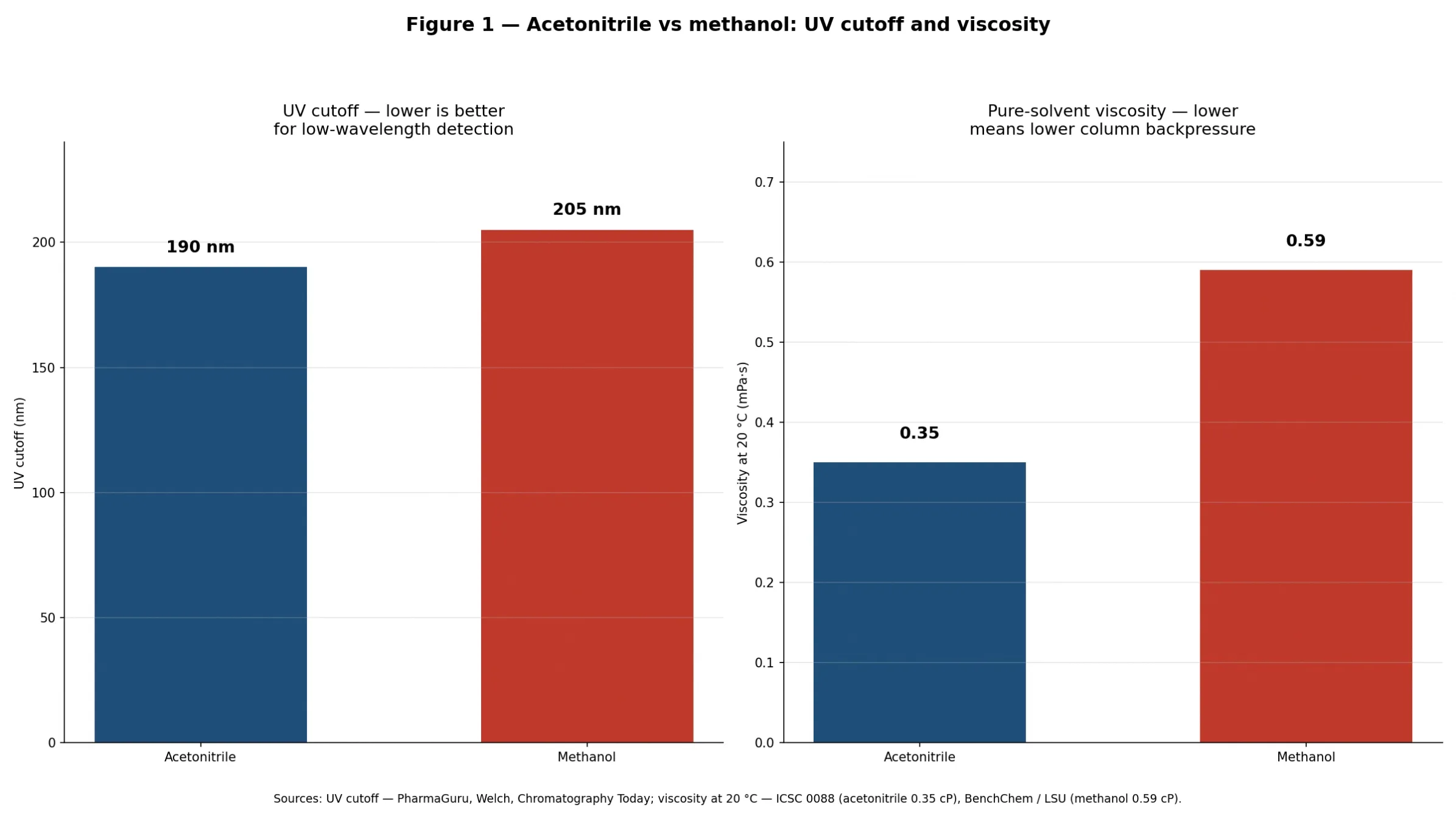
Source: UV cutoff — PharmaGuru, Welch, Chromatography Today; viscosity at 20 °C — ICSC 0088 (acetonitrile 0.35 cP), BenchChem / LSU (methanol 0.59 cP).
What is the difference between acetonitrile and methanol?
They are two different solvents, not two grades of one product. Acetonitrile (CH3CN, CAS 75-05-8) is a polar aprotic solvent: it has a strong dipole moment but cannot donate hydrogen bonds. Methanol (CH3OH, CAS 67-56-1) is a polar protic solvent: it both donates and accepts hydrogen bonds. That one difference drives almost everything in the table above.
Their basic properties are close enough to confuse a buyer and different enough to matter in a method. Acetonitrile boils at 82 °C, methanol at 65 °C; both are colourless, fully water-miscible liquids, both are Class 3 flammable liquids for transport (UN 1648 vs UN 1230, both PG II), and both flash at single-digit temperatures (2 °C vs 9 °C closed cup) — so neither is a "safe" solvent to store casually. The practical differences are optical (UV cutoff), mechanical (viscosity and backpressure), and chemical (elution strength and selectivity). Check the CAS number on the COA, not the appearance, when you receive a drum.
Which one gives better detection?
Acetonitrile, whenever the detection wavelength is low. Its UV cutoff is about 190 nm, methanol's about 205 nm. Below roughly 210 nm, methanol itself starts absorbing, raising the baseline and the noise; acetonitrile stays transparent down to 190 nm. That is why methods for organic acids, aspartame, neotame and other low-λmax analytes are usually built on acetonitrile.
Above 210–220 nm the difference fades: if your method detects at 254 nm, the UV cutoff of either solvent is irrelevant, and the choice should be made on selectivity, pressure, or cost instead. One caution that applies to both: the cutoff numbers assume HPLC-grade solvent. Industrial-grade material can carry UV-absorbing impurities that raise the effective cutoff — always check the UV absorbance specification on the COA for the lot you receive, and do not assume a 99.9% assay alone guarantees HPLC-grade transparency.
Which one runs faster, at lower pressure?
Acetonitrile. Pure acetonitrile is 0.35 mPa·s at 20 °C against methanol's 0.59 mPa·s, and the gap is larger in water mixtures: acetonitrile–water mixtures are less viscous than methanol–water mixtures at every ratio, most markedly at 20–60% organic, where methanol–water viscosity peaks. Higher viscosity means higher pressure for the same flow rate — and excessive backpressure can distort peaks, cause leaks, or trip instrument pressure limits.
In practice that means acetonitrile lets you run higher flow rates, use longer or smaller-particle columns, and finish runs sooner without exceeding the pressure limit. Methanol methods compensate by running slower or at a lower flow rate, which is one reason methanol methods are often longer. If your lab is pressure-limited (older HPLC, sub-2 µm particles, long columns), acetonitrile is usually the practical choice even before selectivity is considered.
Which one separates better?
It depends on the analyte — this is the one question with no universal winner. Acetonitrile has the stronger elution strength in reversed-phase chromatography: at the same organic percentage, analytes elute faster with acetonitrile, so to match its retention with methanol you need a higher methanol percentage. Acetonitrile also tends to give sharper peaks and less tailing for less-polar analytes.
Methanol's advantage is selectivity. Because it hydrogen-bonds, it interacts differently with polar functional groups, and for highly polar analytes (amines, carboxylic acids, alcohols) methanol usually increases retention where acetonitrile would wash them out too fast. Welch's guidance is a good rule of thumb: for highly polar analytes, methanol is generally more suitable for retarding elution; for less-polar analytes, acetonitrile improves tailing. When a method fails on one solvent, switching the organic modifier — not just the percentage — is often the fastest way to fix resolution, because the two solvents change selectivity, not just retention time.
Buffer compatibility is a second, practical part of "separates better". When the aqueous mobile phase contains buffer salts, methanol is generally preferred; acetonitrile can be used when the buffer salts do not affect acetonitrile–water mixing. If your method is buffered, test the switch in both directions before committing a batch of samples.
Which one should I buy? (and what Yuandafeng supplies)
Your situation | Choose |
|---|---|
Detection below ~210 nm, low-λmax analytes | Acetonitrile — UV cutoff ~190 nm |
Fast runs, high flow, pressure-limited system, sub-2 µm columns | Acetonitrile — lower viscosity and backpressure |
Polar analytes that elute too fast, need more retention | Methanol — hydrogen bonding retains them longer |
Buffered aqueous phase | Methanol first; test acetonitrile only if the buffer is compatible |
Tight budget, large-volume routine methods at ≥254 nm | Methanol — significantly cheaper, adequate at higher wavelengths |
Pharma residual-solvent control in the finished product | Check both against ICH Q3C: acetonitrile 410 ppm, methanol 3,000 ppm — the limit is on the product, not the lab solvent |
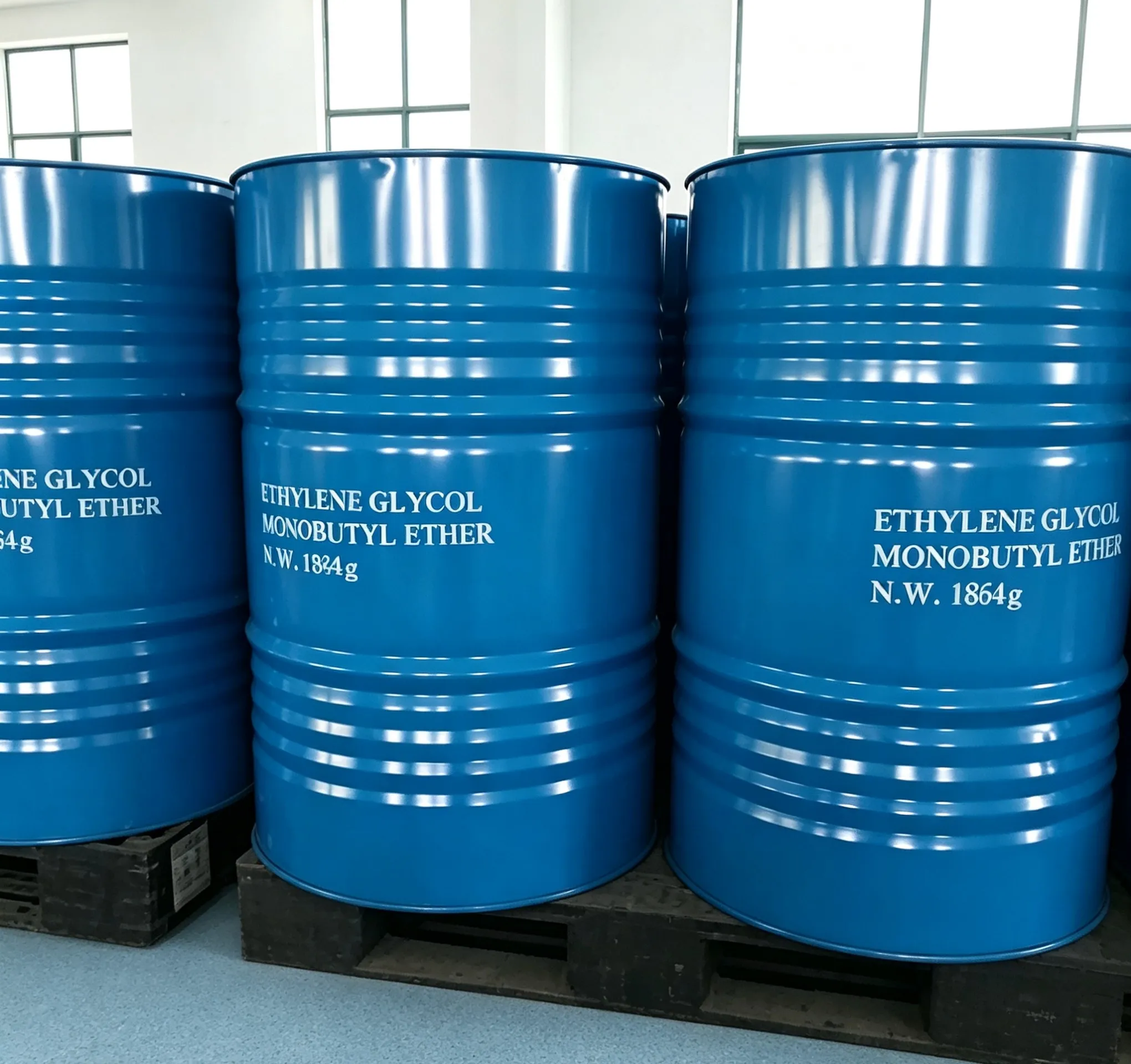
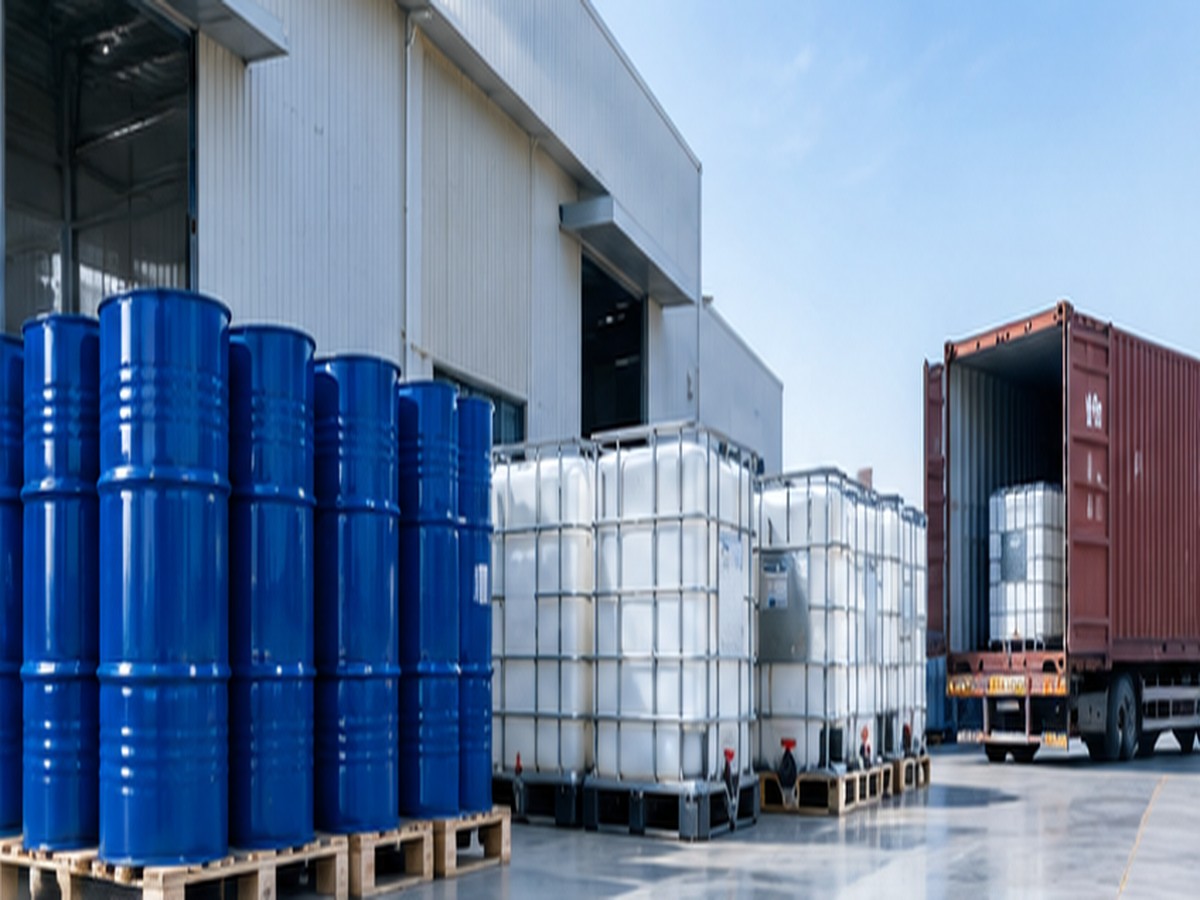
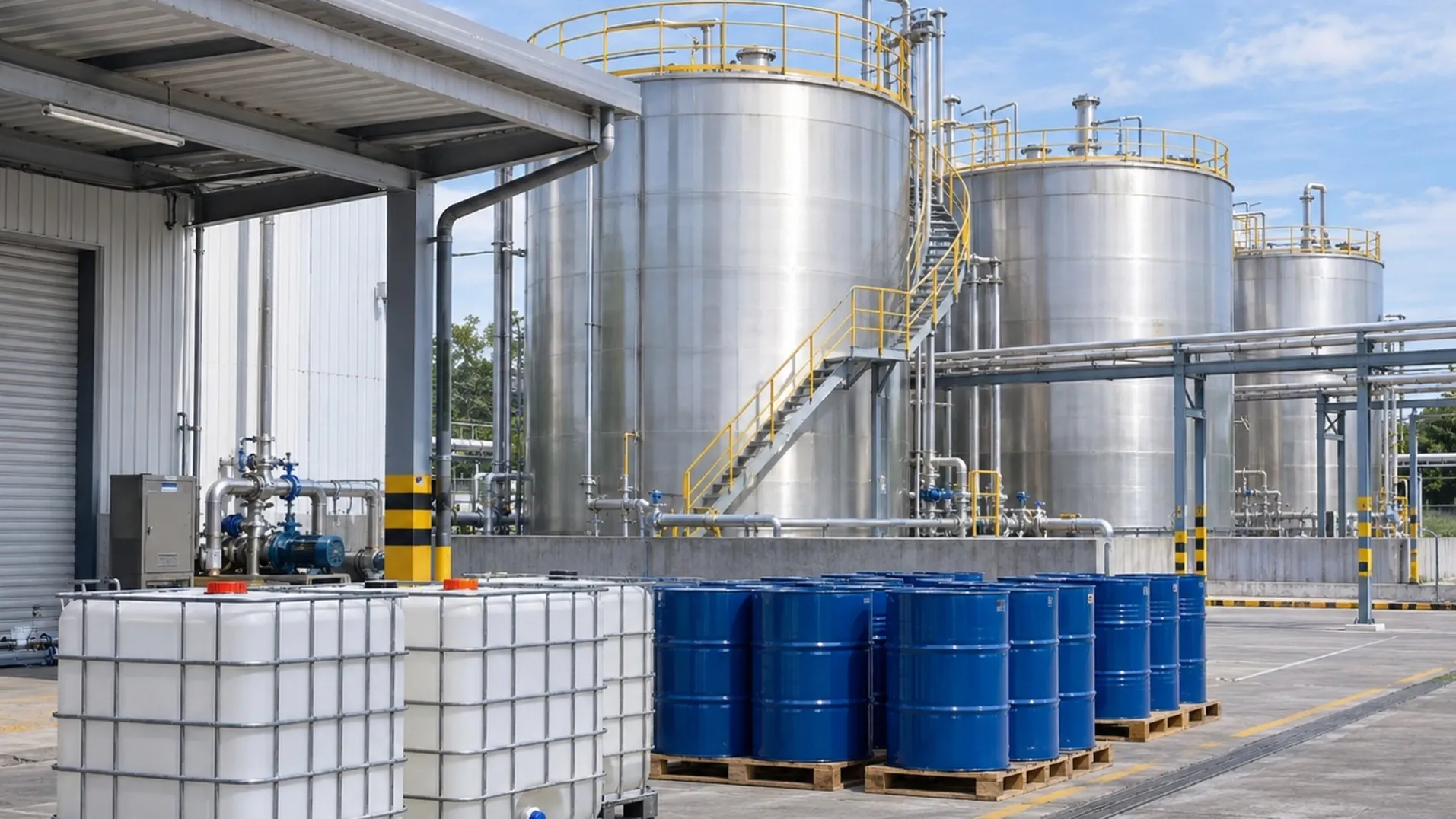
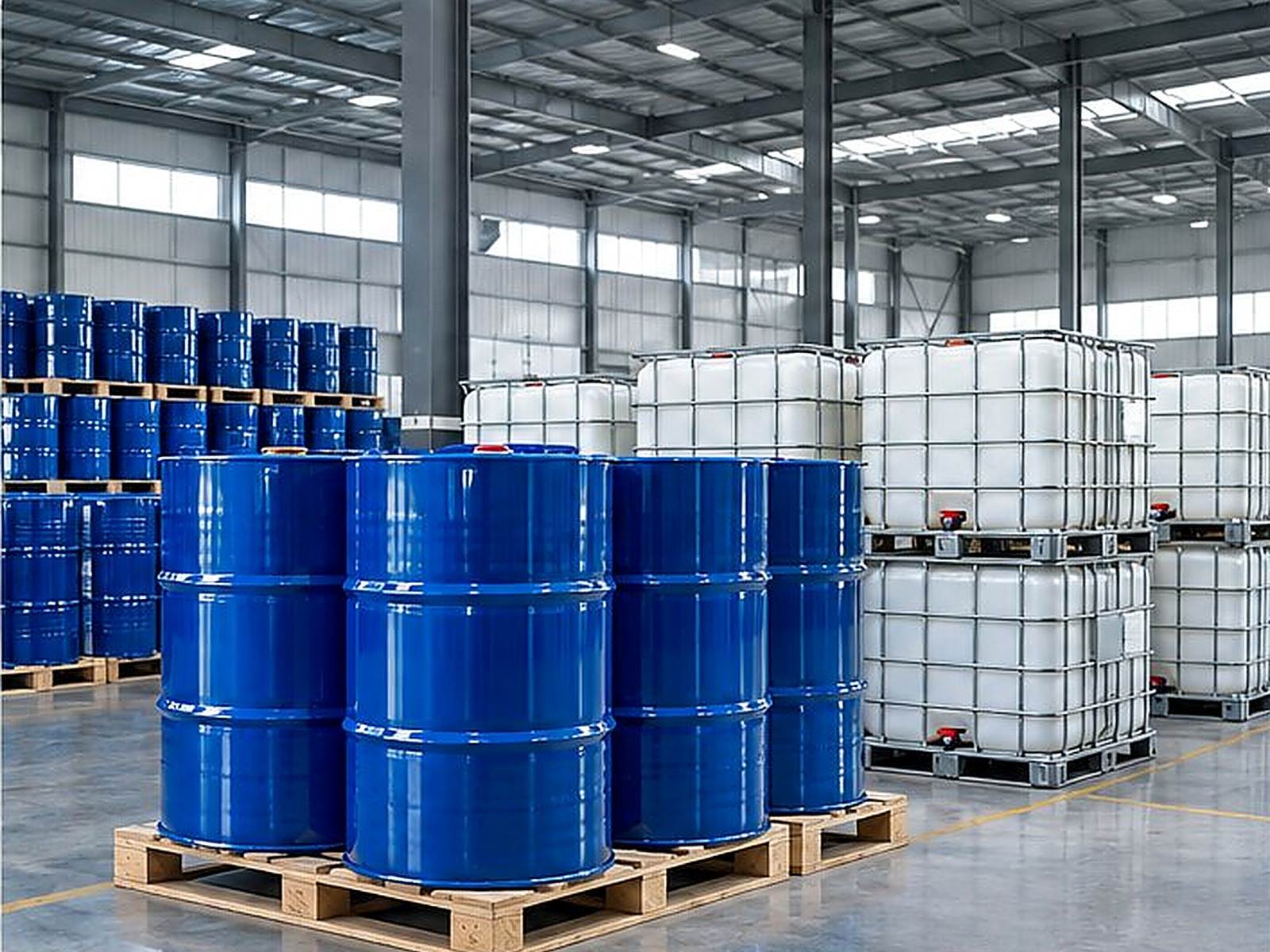
What Yuandafeng supplies: acetonitrile 99.9% (CAS 75-05-8), UN 1648, Class 3, PG II, in 160 kg drums, IBC totes, and ISO tanks; and methanol 99.9% (CAS 67-56-1), UN 1230, Class 3, PG II, in 160 kg drums, IBC totes, and ISO tanks. Both are supplied as industrial-grade material with per-batch COA, SDS and TDS available on request, FCL/LCL and trial orders supported. Before using either as an HPLC mobile phase, confirm the grade, water content, and UV absorbance on the COA against your method's requirements — a 99.9% assay is not by itself a guarantee of HPLC-grade transparency.
Product links: View Acetonitrile product specifications; View Methanol product specifications; Contact Us
FAQ
Can I just swap acetonitrile for methanol at the same percentage?
No. Acetonitrile elutes stronger, so the same percentage gives shorter retention with acetonitrile. You will need a higher methanol percentage to match retention, and selectivity will change — revalidate the method rather than swapping 1:1.
Is methanol safer than acetonitrile?
Methanol is cheaper and, by ICH Q3C residual-solvent limits, less restricted (3,000 ppm vs 410 ppm). Both are toxic and both are Class 3 flammable liquids with single-digit flash points. Methanol is toxic by ingestion and inhalation and can damage the optic nerve; acetonitrile is toxic by skin absorption and releases hydrogen cyanide on heating or burning. Treat both as hazardous and follow the SDS.
Why is acetonitrile so much more expensive?
Acetonitrile is a by-product of acrylonitrile manufacture, so its supply — and price — follows the acrylonitrile market, not HPLC demand. Methanol is produced at very large scale from synthesis gas. The price gap is a market fact, not a quality ranking; it moves with feedstock prices, so request a current quote.
Does the UV cutoff matter if I detect at 254 nm?
No, not at 254 nm. The cutoff only matters below about 210 nm. At 254 nm, choose on selectivity, pressure, buffer compatibility, or cost.
Can I mix acetonitrile and methanol in one mobile phase?
Yes — ternary mixtures (water / acetonitrile / methanol) are a recognised method-development tool, because the two modifiers give different selectivity. Keep the total organic percentage and the buffer compatibility in mind, and validate the mixture the same way you would a binary one.
Methodology
Property data are taken from ICSC 0088 (acetonitrile, June 2011) and ICSC 0057 (methanol, May 2018). UV cutoff, viscosity-in-mixture, elution-strength, selectivity and buffer-compatibility claims are from PharmaGuru (Methanol vs. Acetonitrile in HPLC Mobile Phase, 2025), Welch (Choose Methanol or Acetonitrile? The Organic Mobile Phase in HPLC, 2025), BenchChem (A Comparative Analysis of Acetonitrile in Chromatography, 2025) and Chromatography Today (The Role of Methanol and Acetonitrile as Organic Modifiers in Reversed-phase Liquid Chromatography, 2019). Viscosity at 20 °C: acetonitrile 0.35 cP from ICSC 0088; methanol 0.59 cP from BenchChem and LSU solvent data (ICSC 0057 gives 0.544 mPa·s at 25 °C — the 20 °C pair is used for comparability). ICH Q3C limits are Option 1 values from ICH Q3C(R9) Table 2, assuming a 10 g/day product dose. Yuandafeng product data are from the live product pages /products/acetonitrile and /products/methanol, verified 2026-11-12.
Limitations
Viscosity and UV-cutoff values vary by temperature, grade, and measurement method; the 20 °C viscosity pair is used for comparability, and ICSC's methanol value at 25 °C (0.544 mPa·s) is slightly lower. Flash points vary by a few degrees between supplier SDSs (methanol 9–11 °C closed cup). The price gap is a market range, not a quotation. This article covers reversed-phase HPLC with UV detection; it does not cover normal-phase, HILIC, LC-MS (where volatility and ionisation matter more), or preparative chromatography. HPLC-grade suitability must be confirmed lot by lot against the method's UV-absorbance and water-content specifications — this article does not certify any lot as HPLC grade.
References
- ICSC 0088 — Acetonitrile (ILO/IPCS, June 2011): https://inchem.org/documents/icsc/icsc/eics0088.htm
- ICSC 0057 — Methanol (ILO/IPCS, May 2018): https://inchem.org/documents/icsc/icsc/eics0057.htm
- PharmaGuru — Methanol vs. Acetonitrile in HPLC Mobile Phase (2025): https://pharmaguru.co/methanol-vs-acetonitrile-in-hplc/
- Welch — Choose Methanol or Acetonitrile? The Organic Mobile Phase in HPLC (2025): https://www.welch-us.com/blogs/knowleage-base/choose-methanol-or-acetonitrile-the-organic-mobile-phase-in-hplc
- Chromatography Today — The Role of Methanol and Acetonitrile as Organic Modifiers in Reversed-phase Liquid Chromatography (2019): https://www.chromatographytoday.com/article/help-desk/63/chromatography-consulting-intl-ltd/the-role-of-methanol-and-acetonitrile-as-organic-modifiers-in-reversed-phase-liquid-chromatography/2507
- ICH Q3C(R9) — Impurities: Guideline for Residual Solvents, Table 2 (Option 1 limits: acetonitrile 410 ppm, methanol 3,000 ppm): https://database.ich.org/sites/default/files/ICH_Q3C(R9)_Guideline_MinorRevision_2024_2024_Approved.pdf