DMF Buyer's Guide: What to Check Before Ordering N,N-Dimethylformamide from China
N,N-Dimethylformamide (CAS 68-12-2) for pharma, polyurethane and polymer processing: specification, REACH compliance, volatility data and what to confirm before ordering from China.
Key Findings
- DMF (N,N-Dimethylformamide, CAS 68-12-2) is a strong polar aprotic solvent for pharma synthesis, polyurethane and polymer processing. Yuandafeng Chemical supplies it at 99.9% purity in 200 kg drums, IBC totes and ISO tanks.
- DMF is the least volatile of the common industrial solvents in this comparison: 0.73 kPa at 30 °C, about 37 times lower than THF (26.81 kPa). That is an advantage for open-time and VOC loss — and the reason DMF is hard to strip out of a finished product.
- DMF is not banned in the EU, but it is restricted: it is on the REACH Candidate List (SVHC, toxic for reproduction) and subject to REACH Annex XVII entry 76 since 12 December 2023. Any EU buyer must confirm the DNELs and exposure controls before ordering.
- For pharma use, DMF is an ICH Q3C Class 2 residual solvent: PDE 8.8 mg/day, concentration limit 880 ppm. Residual-solvent testing belongs in the COA discussion, not in the price discussion.
- DMF ships as UN 2265, Class 3, Packing Group III. Confirm the specification basis, the REACH documents and the DG declaration before confirming an order — not after the goods have sailed.
Introduction
DMF (N,N-Dimethylformamide, CAS 68-12-2) is one of the most widely used polar aprotic solvents in industrial chemistry — and one of the most regulated. It dissolves a wide range of polar and non-polar compounds, which is why it shows up in pharmaceutical synthesis, polyurethane and artificial leather production, specialty resin manufacturing, and polymer processing. The same properties that make it useful — high boiling point, very low volatility, strong solvency — also make it the solvent buyers most often get wrong: it is hard to remove, it is absorbed through the skin, and in the EU it can only be used under defined exposure controls. This guide gives buyers the numbers and the compliance checks that decide whether a DMF order is straightforward or a problem waiting to happen.
1. What is DMF used for?
DMF is a strong polar aprotic solvent. Its typical applications, as listed on our product page, are pharmaceutical and fine chemicals, chemical synthesis, polymer processing, coatings and industrial manufacturing. In practice that means: active pharmaceutical ingredient (API) and intermediate synthesis, polyurethane and artificial leather production, specialty resin manufacturing, and acrylic fibre processing. DMF is supplied as an industrial-grade solvent at 99.9% purity; buyers who need it for pharmaceutical use should confirm the grade and the residual-solvent testing against their own process standard before ordering, and ask for the documents that support qualification review.
2. Reference properties and volatility data
Table 1. Reference properties (ILO/WHO ICSC 0457; supplier specification for purity and packaging)
| Property | N,N-Dimethylformamide (DMF) |
|---|---|
| CAS No. | 68-12-2 |
| Formula | C3H7NO |
| Molecular mass | 73.1 g/mol |
| EC No. | 200-679-5 |
| Purity (Yuandafeng) | 99.9% |
| Boiling point | 153 °C |
| Melting point | −61 °C |
| Vapour pressure at 25 °C | 0.49 kPa |
| Water solubility | Miscible |
| Relative density (water = 1) | 0.95 |
| Flash point (closed cup) | 58 °C |
| Auto-ignition temperature | 440 °C |
| Octanol/water partition coefficient (log Pow) | −0.87 |
| Viscosity at 25 °C | 0.85 mm²/s |
| UN No. / Class / Packing Group | UN 2265 / Class 3 / PG III |
| Packaging | 200 kg drum, IBC tote, ISO tank |
Table 2. DMF vapour pressure from the NIST Antoine equation (A 3.93068, B 1337.716, C −82.648; P in bar; valid 303–363 K)
| Temperature | Vapour pressure |
|---|---|
| 30 °C | 0.73 kPa |
| 40 °C | 1.34 kPa |
| 50 °C | 2.34 kPa |
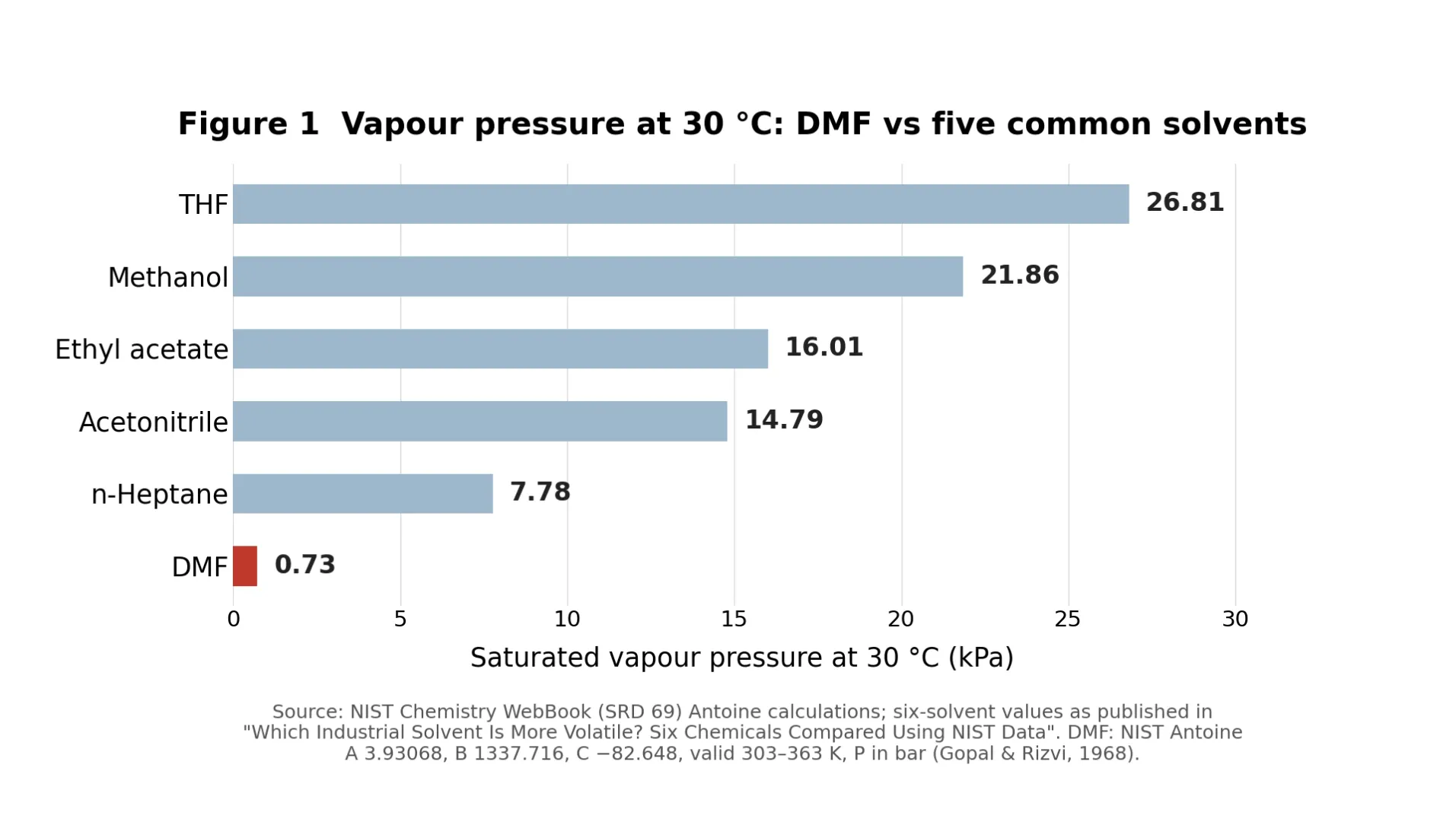
DMF's vapour pressure rises roughly threefold between 30 °C and 50 °C, but even at 50 °C it is still below 2.4 kPa — lower than any of the five comparison solvents at 30 °C. For the full six-solvent comparison, see "Which Industrial Solvent Is More Volatile? Six Chemicals Compared Using NIST Data".
3. Why DMF's low volatility matters
Low volatility cuts both ways, and buyers should weigh both sides before choosing DMF over a faster solvent:
- Less solvent lost to the air. At 30 °C, DMF's vapour pressure (0.73 kPa) is about 37 times lower than THF's (26.81 kPa) and about 22 times lower than ethyl acetate's (16.01 kPa). In open processes this means lower evaporative loss and lower workplace vapour levels than with fast solvents — but it does not mean no exposure control is needed (see Section 4).
- Harder to remove from the product. A boiling point of 153 °C and a vapour pressure below 1 kPa at 30 °C mean DMF does not flash off. Removing it takes heat, vacuum, or washing, and residual DMF in a pharmaceutical intermediate is controlled under ICH Q3C (Section 4). If the process cannot tolerate a high-boiling solvent, DMF is the wrong choice however good its solvency is.
- Longer open time in coatings and polymer processing. The same slow evaporation that makes DMF hard to strip gives formulators a wide application window — one reason it is used in polyurethane and artificial leather production.
4. Compliance: REACH and ICH Q3C — the two questions every buyer should ask first
REACH (EU). DMF is listed on the REACH Candidate List of Substances of Very High Concern (SVHC) as toxic for reproduction, and it is subject to REACH Annex XVII entry 76 (Commission Regulation (EU) 2021/2030). Since 12 December 2023, DMF at a concentration of 0.3% or more must not be placed on the market or used unless the manufacturer's and downstream users' chemical safety reports and safety data sheets include the Derived No-Effect Levels (DNELs) for worker exposure — inhalation 6 mg/m³ and dermal 1.1 mg/kg/day — and appropriate risk management measures and operating conditions are in place to keep worker exposure below those DNELs. Later application dates apply to two specific uses: DMF as a solvent in the direct or transfer polyurethane coating of textiles and paper, or in polyurethane film production (from 12 December 2024), and DMF in the dry and wet spinning of synthetic fibres (from 12 December 2025). DMF is therefore restricted, not banned — but an EU buyer who cannot document the DNELs and the exposure controls should not order it. Ask for the SDS with the DNELs and the SVHC declaration before confirming the order.
ICH Q3C (pharma). DMF is a Class 2 residual solvent under ICH Q3C(R8): solvents to be limited. Its Permitted Daily Exposure (PDE) is 8.8 mg/day, corresponding to an Option 1 concentration limit of 880 ppm (assuming a 10 g daily product mass). Pharmaceutical buyers should agree the residual-solvent test method and the reporting limit with the supplier and have the result on the batch COA.
Workplace exposure. DMF is absorbed through the skin as well as by inhalation (ICSC 0457: "MAY BE ABSORBED!"). Occupational exposure limits: ACGIH TLV 5 ppm as TWA (skin); EU-OEL 15 mg/m³ (5 ppm) as TWA and 30 mg/m³ (10 ppm) as STEL (skin). These are reference values for the buyer's own safety assessment, not a supplier specification.
5. Packaging, transport and documents
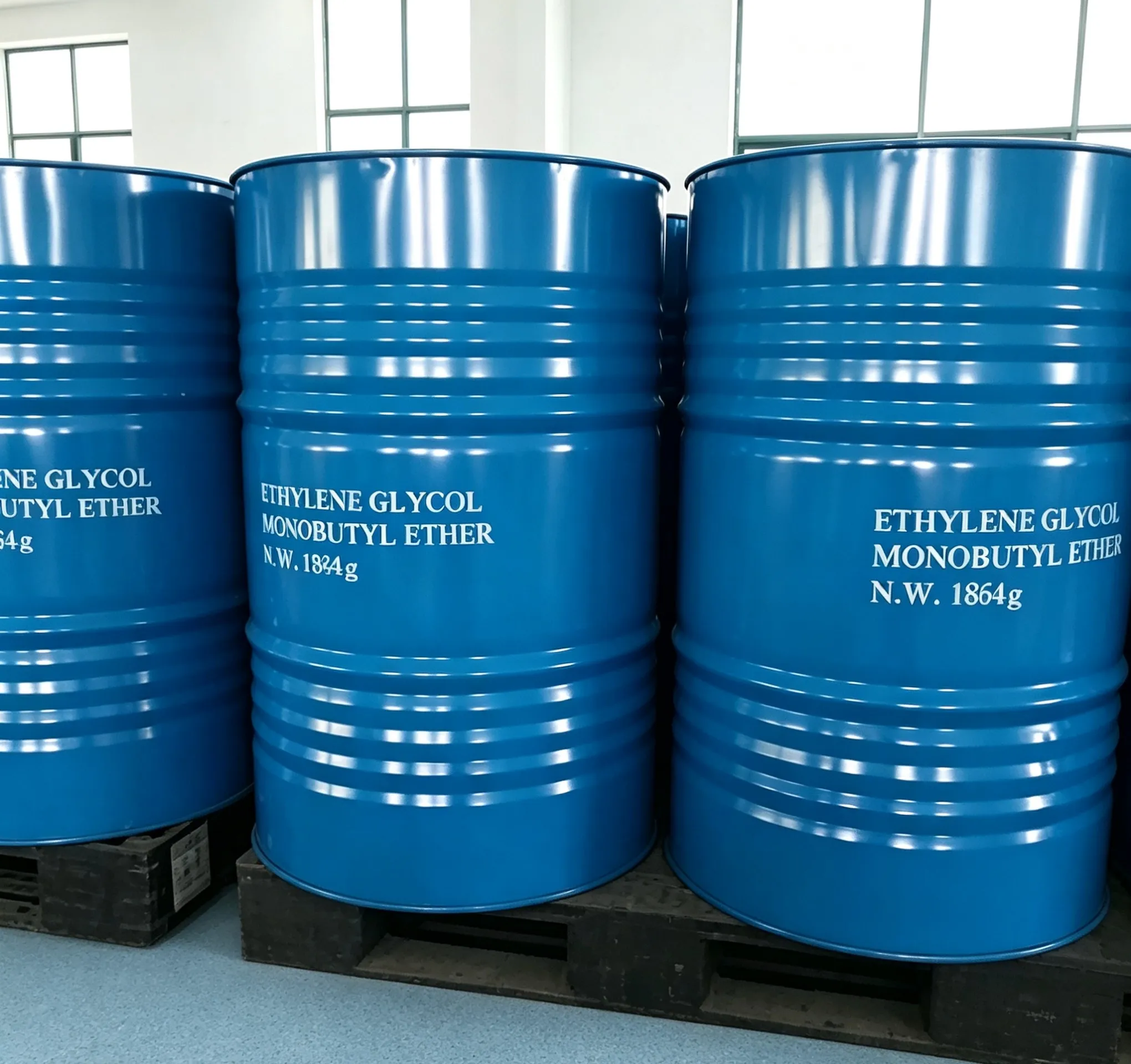
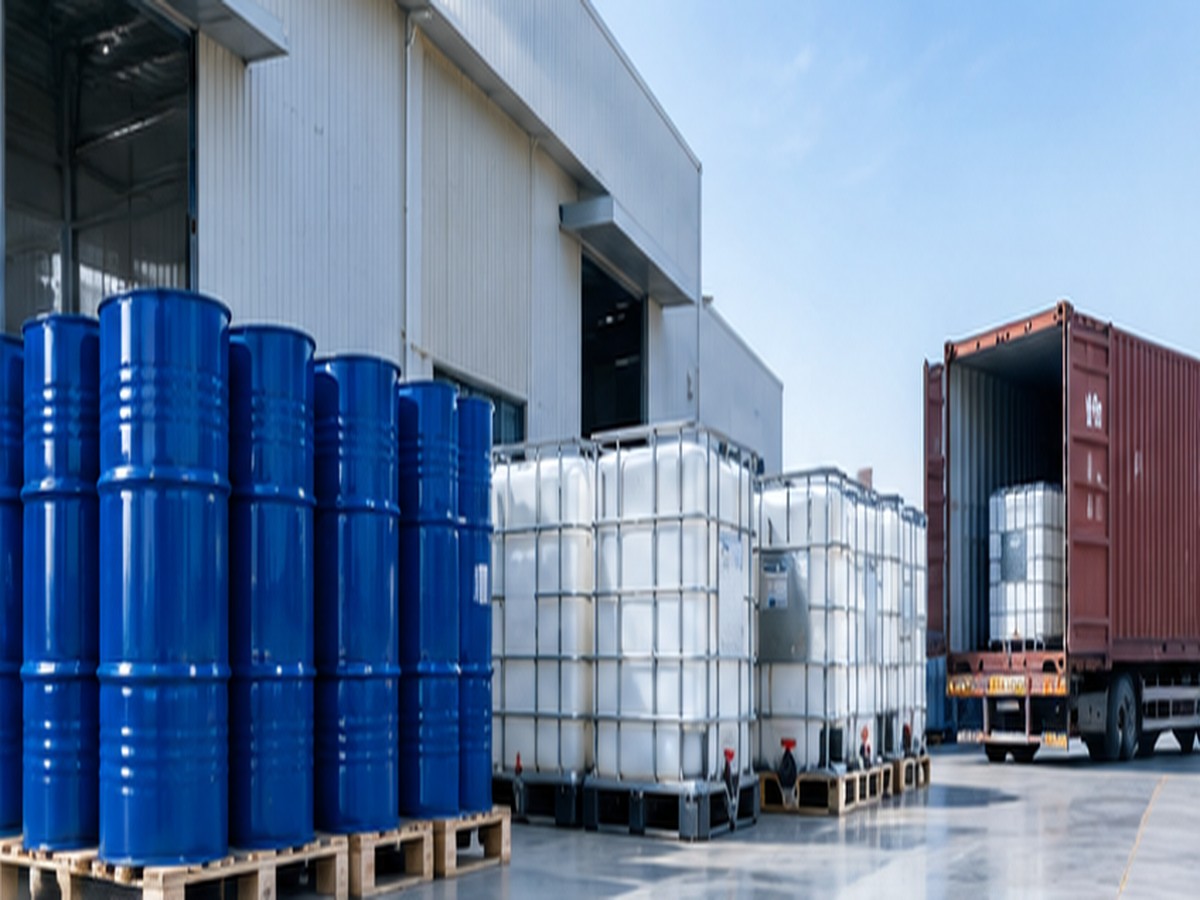
DMF is a dangerous good for transport: UN 2265, Class 3 flammable liquid, Packing Group III. Yuandafeng Chemical supplies it in 200 kg drums, IBC totes and ISO tanks, with UN-standard export packaging and the full dangerous-goods documentation set (SDS, DG declaration and transport papers). Every export shipment is prepared with a batch COA and optional third-party inspection (such as SGS or BV testing before dispatch), and drums and totes are inspected for condition, labelling and quantity before loading. Destination-country entry requirements should be confirmed with the sales team at the quotation stage, because the REACH position above applies to the EU and other markets have their own rules.
6. Checklist before ordering DMF from China
Confirm the following points before confirming your order: hold the supplier to the specification basis — DMF 99.9% purity, with water and acidity limits stated on the COA; your packaging mix (200 kg drum, IBC tote or ISO tank) and whether palletisation is needed; the DG classification (UN 2265, Class 3, PG III) for your destination routing; for EU delivery, the SDS with the entry 76 DNELs and the SVHC declaration; for pharma use, the residual-solvent test (ICH Q3C, 880 ppm) and the reporting limit on the COA; lead time against current production and stock availability; and whether you want third-party inspection (such as SGS or BV testing before dispatch) arranged before dispatch. A supplier that answers these points precisely will usually handle the shipment precisely.
7. Frequently asked questions
Is DMF banned in the EU?
No. DMF is restricted, not banned. It is on the REACH Candidate List (SVHC) and subject to REACH Annex XVII entry 76 since 12 December 2023: at 0.3% or more it can only be placed on the market or used if the SDS and chemical safety report include the worker DNELs (inhalation 6 mg/m³, dermal 1.1 mg/kg/day) and exposure is kept below them. Check the position for your specific use and destination before ordering.
Can DMF replace NMP?
DMF and NMP (N-Methyl-2-pyrrolidone) are both strong polar aprotic solvents and both are REACH SVHCs restricted for reproductive toxicity, so switching from one to the other does not remove the compliance question — it moves it. Whether DMF works in a given process depends on solvency, boiling point, water miscibility and the residual-solvent limit for that application, and any substitution needs process validation. Ask for a sample and test it in your own process before committing to a bulk order.
Why is DMF hard to remove from a product?
Because it barely evaporates: boiling point 153 °C and vapour pressure 0.73 kPa at 30 °C (Table 2). Removing it takes heat, vacuum or washing. For pharmaceutical intermediates, residual DMF is controlled under ICH Q3C at 880 ppm (PDE 8.8 mg/day), so the removal step and the test method should be agreed before ordering, not after delivery.
What purity and grade should I specify?
Yuandafeng Chemical supplies industrial-grade DMF at 99.9% purity. Specify the purity together with the water and acidity limits you need, and have them stated on the batch COA. For pharmaceutical use, also agree the grade, the residual-solvent test and the reporting limit with the supplier, and confirm the documents that support your qualification review.
How is DMF shipped?
As a dangerous good: UN 2265, Class 3, Packing Group III, in 200 kg drums, IBC totes or ISO tanks with UN-standard packaging and DG documentation. FCL and LCL are available depending on product and destination. Confirm the DG declaration and the destination-country entry requirements at the quotation stage.
8. How this guide was made (Methodology)
All physical-property values in Table 1 are reference values from the ILO/WHO International Chemical Safety Card ICSC 0457 (N,N-Dimethylformamide, April 2014). The vapour-pressure values in Table 2 and Figure 1 were calculated from the NIST Chemistry WebBook (SRD 69) Antoine equation for DMF (A 3.93068, B 1337.716, C −82.648; P in bar; valid 303–363 K; source data Gopal & Rizvi, 1968). The five comparison solvents in Figure 1 use the 30 °C values already published in our companion article "Which Industrial Solvent Is More Volatile? Six Chemicals Compared Using NIST Data", calculated by the same method. Purity, packaging and applications are taken from Yuandafeng Chemical's own DMF product page. The REACH position is taken from Commission Regulation (EU) 2021/2030 (Annex XVII entry 76) and the Candidate List; the ICH Q3C position is taken from ICH Q3C(R8) Table 2. No new laboratory tests were conducted for this article, and no values were measured by Yuandafeng Chemical.
9. Research limitations
- The ICSC and NIST values are published reference values, not batch measurements. A batch COA governs acceptance for any specific shipment.
- The Antoine calculation is valid only from 30 °C to 90 °C. No vapour-pressure value below 30 °C is calculated here; the 25 °C value (0.49 kPa) is the ICSC reference value.
- Vapour pressure is not drying rate or removal rate. The ratios in this article describe volatility; actual removal time depends on temperature, vacuum, film thickness, washing and the matrix.
- Regulatory summaries in this article are for buyer orientation. The REACH restriction, the SVHC listing and the ICH Q3C limit should be confirmed against the current official texts and the shipment's SDS before ordering.
- Prices, lead times, MOQ and stock availability change with the feedstock market and are confirmed per quotation, not in this article.
Request a quotation
Yuandafeng Chemical supplies N,N-Dimethylformamide (DMF) (99.9%, CAS 68-12-2, UN 2265) from Shandong, China, in 200 kg drums, IBC totes and ISO tanks, with batch COA and export documentation for every shipment. Send your specification, quantity and destination port to receive a quotation, lead time and packaging proposal.
References
- ILO/WHO International Chemical Safety Card ICSC 0457 — N,N-Dimethylformamide (CAS 68-12-2). https://inchem.org/documents/icsc/icsc/eics0457.htm
- NIST Chemistry WebBook, SRD 69 — Formamide, N,N-dimethyl- (CAS 68-12-2), Antoine Equation Parameters. https://webbook.nist.gov/cgi/cbook.cgi?ID=C68122&Mask=FFF&Type=ANTOINE&Plot=on
- Commission Regulation (EU) 2021/2030 of 19 November 2021 amending Annex XVII to Regulation (EC) No 1907/2006 (REACH) as regards N,N-dimethylformamide (entry 76). https://eur-lex.europa.eu/eli/reg/2021/2030/oj
- ICH Q3C(R8) — Impurities: Guideline for Residual Solvents, Table 2 (DMF: Class 2, PDE 8.8 mg/day, 880 ppm). https://www.ich.org/page/multidisciplinary-guidelines
- Yuandafeng Chemical — N,N-Dimethylformamide (DMF) product page (99.9%, UN 2265, PG III). https://www.ydfchem.com/products/dmf
- Yuandafeng Chemical — "Which Industrial Solvent Is More Volatile? Six Chemicals Compared Using NIST Data" (30 °C vapour-pressure values for the five comparison solvents). https://www.ydfchem.com/posts/industrial-solvent-vapor-pressure-comparison