Ethylene Glycol vs Propylene Glycol: Which Coolant Base Should You Choose?
Ethylene glycol (EG) and propylene glycol (PG) are the two glycol bases used in almost every antifreeze and coolant formulation — but they are not interchangeable. At the same concentration, EG freezes a few degrees lower, transfers heat better, and typically costs 20–40% less. PG is the choice wherever people, food, or drinking water could come into contact with the fluid, because it is far less toxic: PG is FDA GRAS, while a single swallow of EG can kill an adult. If your loop is closed and has no food or potable-water contact, EG is usually the better buy. If there is any chance of ingestion, PG is the only responsible choice.
Key Findings
- At equal concentration, EG protects against freezing better — but only by 3–5 °C. A 50% EG solution freezes at −36.8 °C; 50% PG at −34 °C. At 60% the gap is −52.8 °C vs −48 °C.
- More glycol is not always better. Freeze protection peaks near 60–70% EG and then reverses: pure EG freezes at −12.8 °C, warmer than a 50% mix.
- Toxicity, not performance, is the real decision. EG's oral LD50 in rats is 4,700 mg/kg, and as little as ~100 mL can be lethal to an adult. PG's LD50 is >20,000 mg/kg and it is FDA GRAS (21 CFR 184.1666).
- EG is typically 20–40% cheaper per volume than PG, though the spread moves with feedstock prices. EG also has lower viscosity, giving roughly 10–15% better heat transfer at the same concentration.
- Never mix EG and PG. Different inhibitor packages and an unpredictable freeze point — drain and flush before switching.
Table 1 — Ethylene glycol vs propylene glycol: key properties
| Property | Ethylene glycol (EG) | Propylene glycol (PG) |
|---|---|---|
| Formula | C2H6O2 | C3H8O2 |
| CAS No. | 107-21-1 | 57-55-6 |
| Molecular weight | 62.07 | 76.09 |
| Boiling point | 197 °C | 188 °C |
| Melting point | −13 °C | −59 °C |
| Density at 20 °C | 1.11 g/cm³ | 1.04 g/cm³ |
| Flash point | 111 °C (closed cup) | 99 °C (open cup); 103–107 °C (closed cup) |
| Auto-ignition temperature | 398 °C | 371 °C |
| Vapour pressure at 20 °C | 6.5 Pa | Not stated in the SDS sources used |
| Oral LD50 (rat) | 4,700 mg/kg | >20,000 mg/kg |
| Regulatory status | Harmful if swallowed (H302) | FDA GRAS; food additive E1520; FAO/WHO ADI 0–25 mg/kg bw |
| Transport | UN 3082, Class 9 | Not classified as dangerous goods |
Sources: ICSC 0270 (EG); Alliance Chemical SDS for EG and PG; Fisher Scientific MSDS data for PG.
Table 2 — Freezing point by concentration (% by volume, Engineering ToolBox)
| Glycol % by volume | EG freezing point | PG freezing point |
|---|---|---|
| 0% (water) | 0 °C | 0 °C |
| 10% | −3.4 °C | −3 °C |
| 20% | −7.9 °C | −8 °C |
| 30% | −13.7 °C | −14 °C |
| 40% | −23.5 °C | −22 °C |
| 50% | −36.8 °C | −34 °C |
| 60% | −52.8 °C | −48 °C |
A 50% EG solution also boils at about 107 °C at atmospheric pressure (60%: ~111 °C); a pressurised system boils higher. Published tables scatter by 1–2 °C at mid concentrations — always confirm against the specific product data sheet.
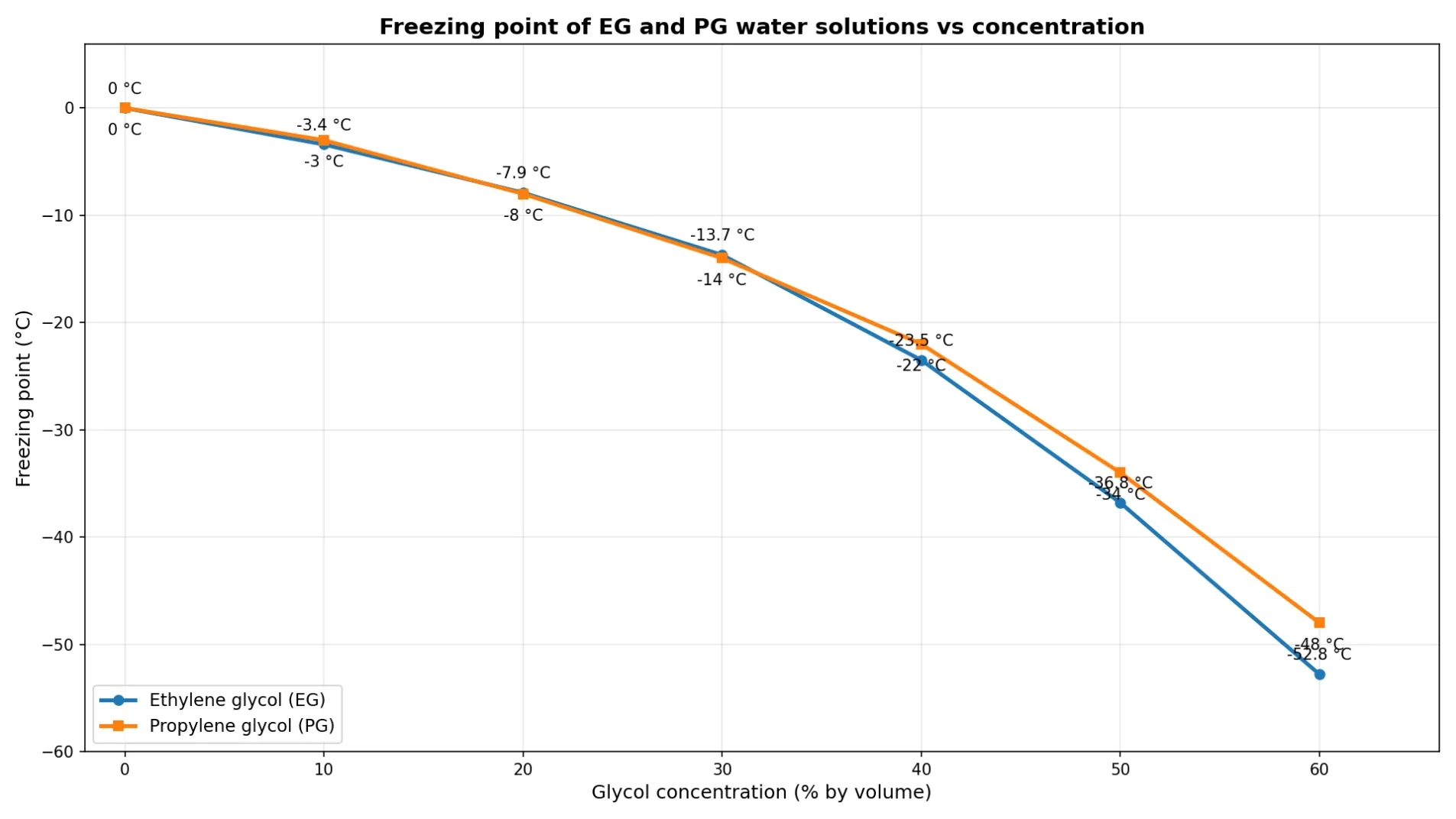
Figure 1 — Freezing point of EG and PG water solutions vs concentration
Source: Engineering ToolBox, ethylene glycol and propylene glycol heat-transfer fluid data.
What is the difference between ethylene glycol and propylene glycol?
They are two different chemicals, not two grades of one product. EG (HOCH2CH2OH, CAS 107-21-1) is the simplest glycol; PG (CH3CHOHCH2OH, CAS 57-55-6) carries an extra methyl group. That small structural difference changes everything a buyer cares about: EG melts at −13 °C and boils at 197 °C; PG melts at −59 °C and boils at 188 °C. EG is shipped as UN 3082, Class 9 (environmentally hazardous); PG is not classified as dangerous goods for transport. Both are colourless, viscous, hygroscopic liquids that mix fully with water — which is why they are so easily confused, and why the CAS number on the COA, not the appearance, is what you check.
Which one protects against freezing better?
EG wins, but by less than most buyers expect. Table 2 and Figure 1 show the two curves tracking each other closely up to 40% (EG −23.5 °C vs PG −22 °C), then separating: at 50%, EG −36.8 °C against PG −34 °C; at 60%, −52.8 °C against −48 °C. For a −30 °C design target, EG needs roughly 45–50% and PG roughly 45–50% as well — the practical difference is a few percent of concentration, not a different system design.
The more important lesson is the shape of the curve. Freeze protection improves steeply up to about 60% EG, flattens, and then reverses: pure EG freezes at −12.8 °C, far warmer than a 50% mix. Above roughly 60–70% glycol, adding more glycol makes freeze protection worse, raises viscosity, and cuts heat transfer. Finished coolant is sold as a concentrate for dilution or as a ready-to-use 30–50% mix for exactly this reason. After charging a system, verify the concentration with a refractometer matched to the glycol type — mixing by eye is how loops freeze.
Which one is safer to handle?
This is where the two glycols truly part ways. EG is metabolised in the body to glycolic acid and oxalic acid, which cause kidney failure; the oral LD50 in rats is 4,700 mg/kg, and severe effects in humans have been reported after ingestion of as little as 100 mL. PG's oral LD50 in rats is >20,000 mg/kg — roughly four times less acutely toxic — and it is listed as Generally Recognized as Safe (GRAS) by the US FDA and as food additive E1520 in the EU, with a FAO/WHO acceptable daily intake of 0–25 mg/kg body weight.
"Less toxic" does not mean "safe to drink": PG coolant is still an industrial fluid and must never be ingested. But the toxicity gap decides the application. PG is mandatory wherever the fluid could contact food, drinking water, or people — food plants, breweries, RV and marine potable-water systems, data-centre cooling in occupied buildings, and pharmaceutical or cosmetic formulations. EG belongs in closed industrial loops, engine cooling, and HVAC systems with no potable-water connection, with clear labelling and backflow prevention. If a leak could reach a drain, a waterway, or a food line, the choice is already made.
Which one transfers heat better and costs less?
EG has the performance edge. Its viscosity at 20 °C is 21 mPa·s, lower than PG's, so at the same concentration an EG solution pumps more easily and transfers heat roughly 10–15% better. In a large chilled-water or process-cooling loop, that difference shows up as smaller pumps and lower energy use — or the same duty at a lower flow rate.
EG is also typically 20–40% cheaper per volume than PG. The spread is a market range, not a fixed quote: it moves with ethylene and propylene feedstock prices, and it varies by region and order size. For a buyer, the honest comparison is total installed cost — fluid price plus pumping energy plus the cost of the safety measures each fluid requires. In a closed industrial loop, EG usually wins that comparison. Where PG is required for safety, its higher price is the cost of compliance, not a premium to negotiate away.
How do I choose? (and what Yuandafeng supplies)
| Your situation | Choose |
|---|---|
| Closed industrial loop, engine coolant, HVAC with no potable-water contact | EG — better freeze protection, better heat transfer, lower cost |
| Food plant, brewery, potable water, RV/marine, pharma or cosmetics | PG — only PG where ingestion is possible |
| Coldest climates (below −40 °C design) | EG at 50–60% (−37 to −53 °C); PG tops out near −48 °C at 60% |
| Occupied buildings, data centres with leak risk to people | PG, unless the loop is fully isolated and labelled |
| Tight budget, large volume, closed system | EG |
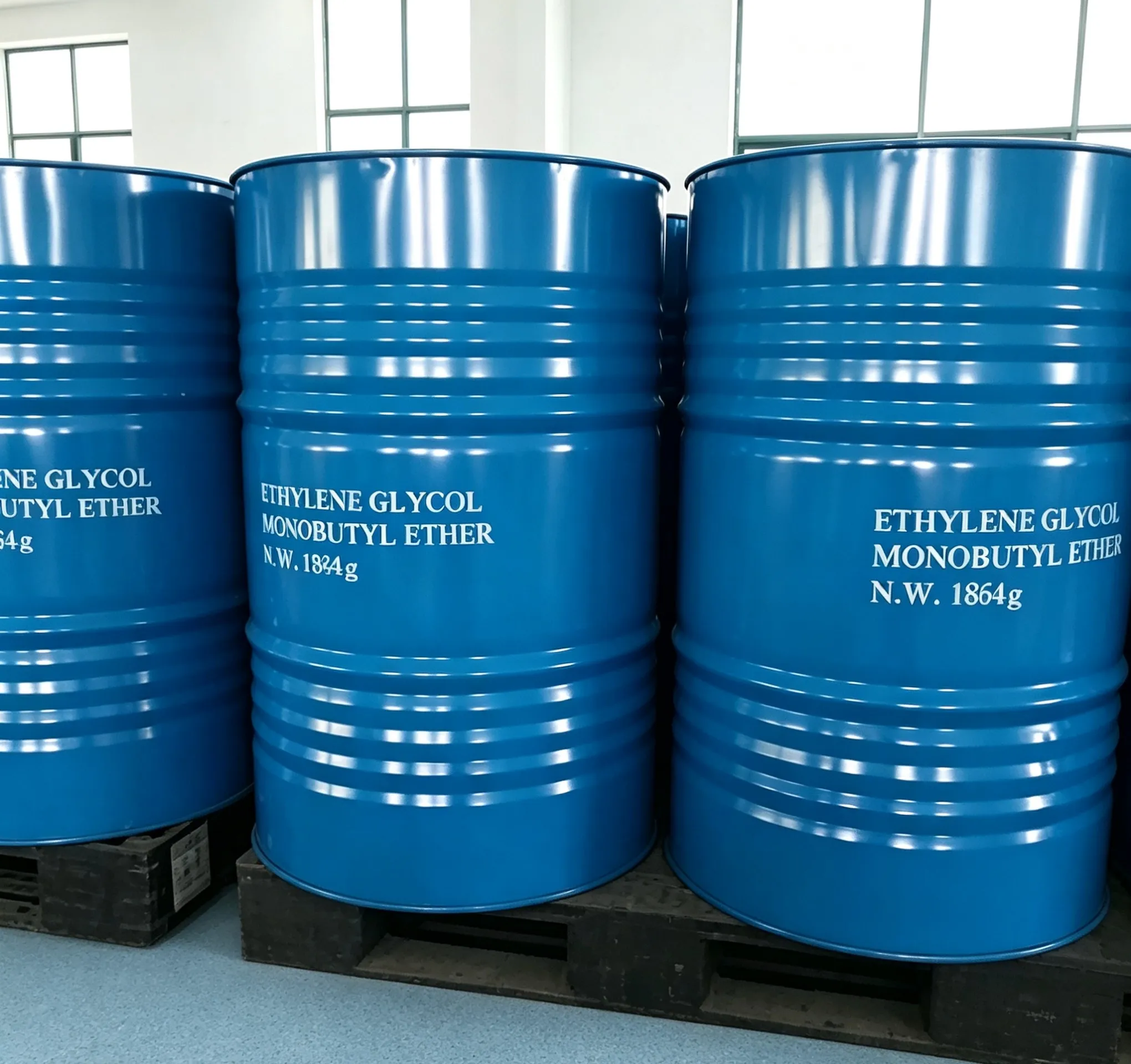
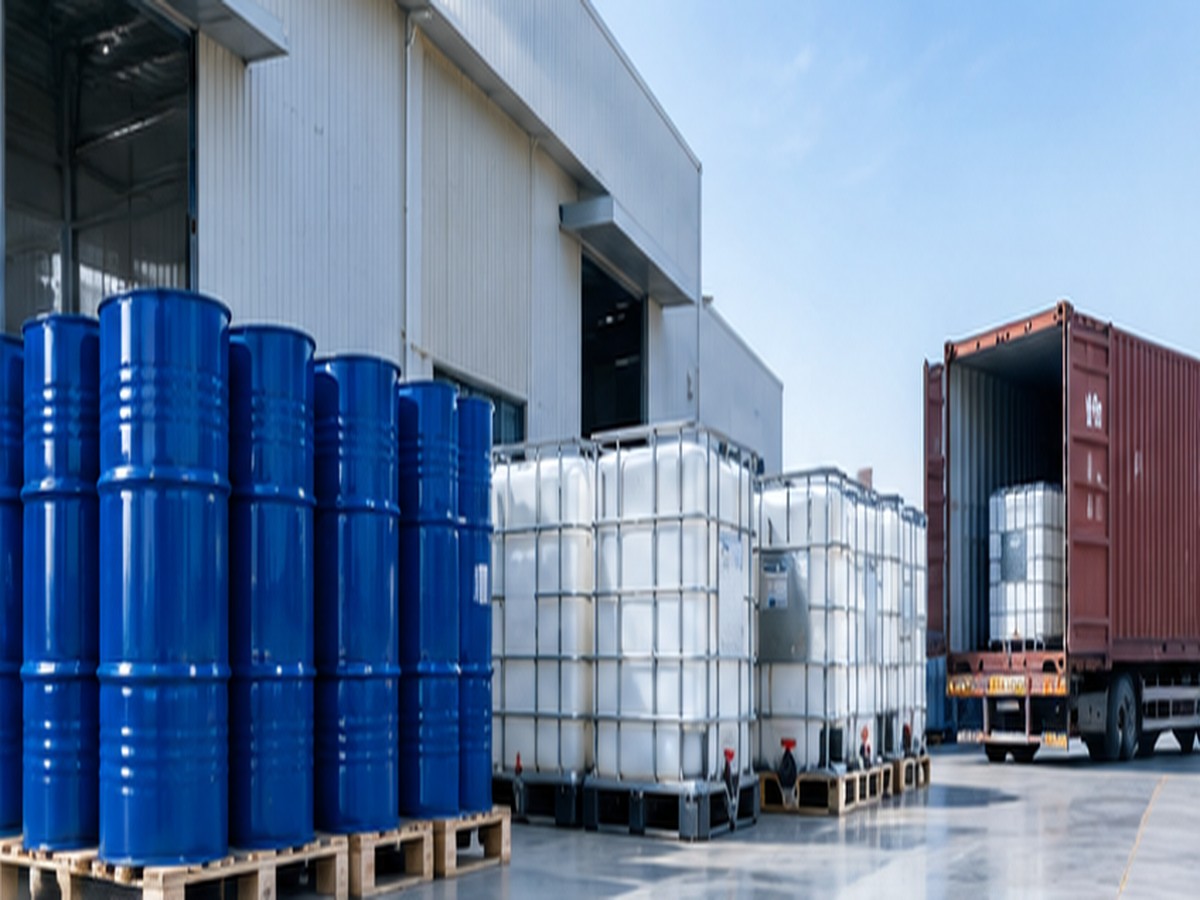
What Yuandafeng supplies: industrial-grade ethylene glycol 99.8% (CAS 107-21-1), in 230 kg drums, IBC totes, and ISO tanks, with per-batch COA, SDS and TDS available on request. EG ships as UN 3082, Class 9. Propylene glycol is also available from Yuandafeng — the product page is being added, so contact us for the current specification and quote in the meantime. Note that Yuandafeng supplies the base glycol, not a finished inhibited coolant: a coolant formulation needs a corrosion-inhibitor package matched to your metals, and straight glycol plus water without inhibitors is corrosive.
View Ethylene Glycol product specifications
FAQ
Can I mix ethylene glycol and propylene glycol?
No. The two glycols use different inhibitor packages, and the freeze point of a mixture is unpredictable. Mixing can also void equipment warranties. Drain, flush, and refill when switching.
Is propylene glycol safe to drink?
No. "Low toxicity" is not "safe". PG is GRAS only at regulated levels in food and pharma; a drum of PG coolant is an industrial fluid and must never be ingested.
What concentration do I need for −30 °C?
About 45–50% EG (40% gives −23.5 °C, 50% gives −36.8 °C) or about 45–50% PG (50% gives −34 °C). Always verify the charged concentration with a refractometer.
Can I use straight EG and water without inhibitors?
No. Glycol plus water without a corrosion-inhibitor package attacks steel, copper, and aluminium. Buy inhibited coolant or add an inhibitor package matched to your system metals.
Can EG be used in a food processing plant?
No. Wherever incidental food contact is possible, use PG. EG is for closed systems with no food or potable-water contact.
Methodology
Property data are taken from ICSC 0270 (ethylene glycol, May 2018) and supplier SDS data for propylene glycol (Alliance Chemical; Fisher Scientific). Freeze-point and boiling-point values are from Engineering ToolBox's ethylene glycol and propylene glycol heat-transfer fluid tables (% by volume, 1 atm), cross-checked against the Coolant.com EG vs PG comparison, which cites the same tables. Toxicity values are rat oral LD50s from SDS/RTECS records; the FDA GRAS listing is 21 CFR 184.1666 and the ADI is FAO/WHO (2000). Price comparison is a market range from supplier guides, not a quotation.
Limitations
Published freeze-point tables scatter by 1–2 °C at mid concentrations, and inhibited commercial coolants differ slightly from pure glycol–water data. Flash-point values depend on the test method (open vs closed cup), which is why both are given for PG. The 20–40% price gap is a typical range that moves with feedstock prices — request a current quote for your volume and port. This article covers base glycols only; finished coolant performance also depends on the inhibitor package, which varies by manufacturer.
References
- ICSC 0270 — Ethylene Glycol (ILO/IPCS, May 2018): https://inchem.org/documents/icsc/icsc/eics0270.htm
- Alliance Chemical — Ethylene Glycol ACS Grade SDS: https://docs.alliancechemical.com/sds/ethylene-glycol-acs-grade
- Alliance Chemical — Propylene Glycol Technical Grade SDS: https://docs.alliancechemical.com/sds/propylene-glycol-technical-grade
- Engineering ToolBox — Ethylene Glycol Heat-Transfer Fluid: https://www.engineeringtoolbox.com/ethylene-glycol-d_146.html
- Coolant.com — Ethylene Glycol vs Propylene Glycol Coolant: Differences: https://Coolant.com/ethylene-vs-propylene-glycol/
- Wikipedia — Propylene glycol (FDA GRAS, E1520, eutectic data): https://en.wikipedia.org/wiki/Propylene_glycol