MEG vs DEG vs TEG: Which Glycol Does Your Process Actually Need?
MEG, DEG and TEG are three different chemicals, not three grades of one product. They are made together when ethylene oxide is hydrated with water: a large excess of water gives mostly MEG (~88–90%), with DEG (~8–10%) and TEG (~1–2%) as co-products. Each step up the chain adds one ethylene oxide unit, raising the molecular weight (62 → 106 → 150) and the boiling point (197 → 245 → 285 °C). That is why their uses barely overlap: MEG goes into PET polyester and antifreeze, DEG into unsaturated polyester resins and plasticizers, and TEG into natural-gas dehydration. If you order by the name "glycol" without the CAS number, you can easily buy the wrong one — and DEG is toxic too, so a mix-up is not just a quality problem.
Key Findings
- Three chemicals, not three grades. MEG (CAS 107-21-1), DEG (CAS 111-46-6) and TEG (CAS 112-27-6) differ in formula, molecular weight, boiling point, and toxicity. The CAS number on the COA is the check.
- They are born together. Hydrating ethylene oxide with a large excess of water (water:EO ≈ 20:1) yields about 88–90 wt% MEG, 8–10% DEG and 1–2% TEG — which is why MEG is the cheapest and most available of the three.
- Boiling point is the quickest identity check. MEG 197 °C, DEG 245 °C, TEG 285 °C. A COA assay plus the boiling point will catch a mislabelled drum.
- Their uses barely overlap. MEG: PET/polyester fibre and antifreeze. DEG: unsaturated polyester resins, plasticizers, solvents. TEG: natural-gas dehydration and desiccants.
- Do not substitute one for another — and DEG is toxic too. DEG's oral LD50 in rats (12,565 mg/kg) is higher than MEG's (4,700 mg/kg), but DEG has killed people: the 1937 Elixir Sulfanilamide disaster, in which DEG was used as a solvent in a medicine, caused more than 100 deaths and led directly to the US Food, Drug, and Cosmetic Act of 1938.
Table 1 — MEG vs DEG vs TEG: key properties
| Property | MEG (ethylene glycol) | DEG (diethylene glycol) | TEG (triethylene glycol) |
|---|---|---|---|
| Formula | C2H6O2 | C4H10O3 | C6H14O4 |
| CAS No. | 107-21-1 | 111-46-6 | 112-27-6 |
| Molecular weight | 62.07 | 106.12 | 150.17 |
| Boiling point | 197 °C | 245 °C | 285 °C |
| Melting point | −13 °C | −10.45 °C | −7 °C |
| Density at 20 °C | 1.11 g/cm³ | 1.12 g/cm³ | 1.12–1.13 g/cm³ |
| Flash point | 111 °C (closed cup) | 138 °C (closed cup) | 165 °C (open cup); 177 °C (closed cup) |
| Auto-ignition temperature | 398 °C | 229 °C | 371 °C |
| Oral LD50 (rat) | 4,700 mg/kg | 12,565 mg/kg (reported 12,565–16,500) | 17,000 mg/kg |
| Main hazard | Harmful if swallowed; kidney toxin | Harmful if swallowed; kidney toxin | Low acute toxicity; combustible at high temperature |
Sources: ICSC 0270 (MEG); ECHEMI SDS and NOAA CAMEO (DEG); NOAA CAMEO and Alfa Aesar SDS (TEG).
Table 2 — Which glycol for which job
| Application | MEG | DEG | TEG |
|---|---|---|---|
| PET / polyester fibre and resin | Primary | — | — |
| Antifreeze and coolant | Primary | Not used | Not used |
| Unsaturated polyester resins | Secondary | Primary | — |
| Plasticizers and solvents | Secondary | Primary | Secondary |
| Natural-gas dehydration | Secondary (blends) | — | Primary |
| Heat-transfer fluid | Primary | — | — |
| Humectant / desiccant | Secondary | Secondary | Primary |
Figure 1 — MEG vs DEG vs TEG: boiling point
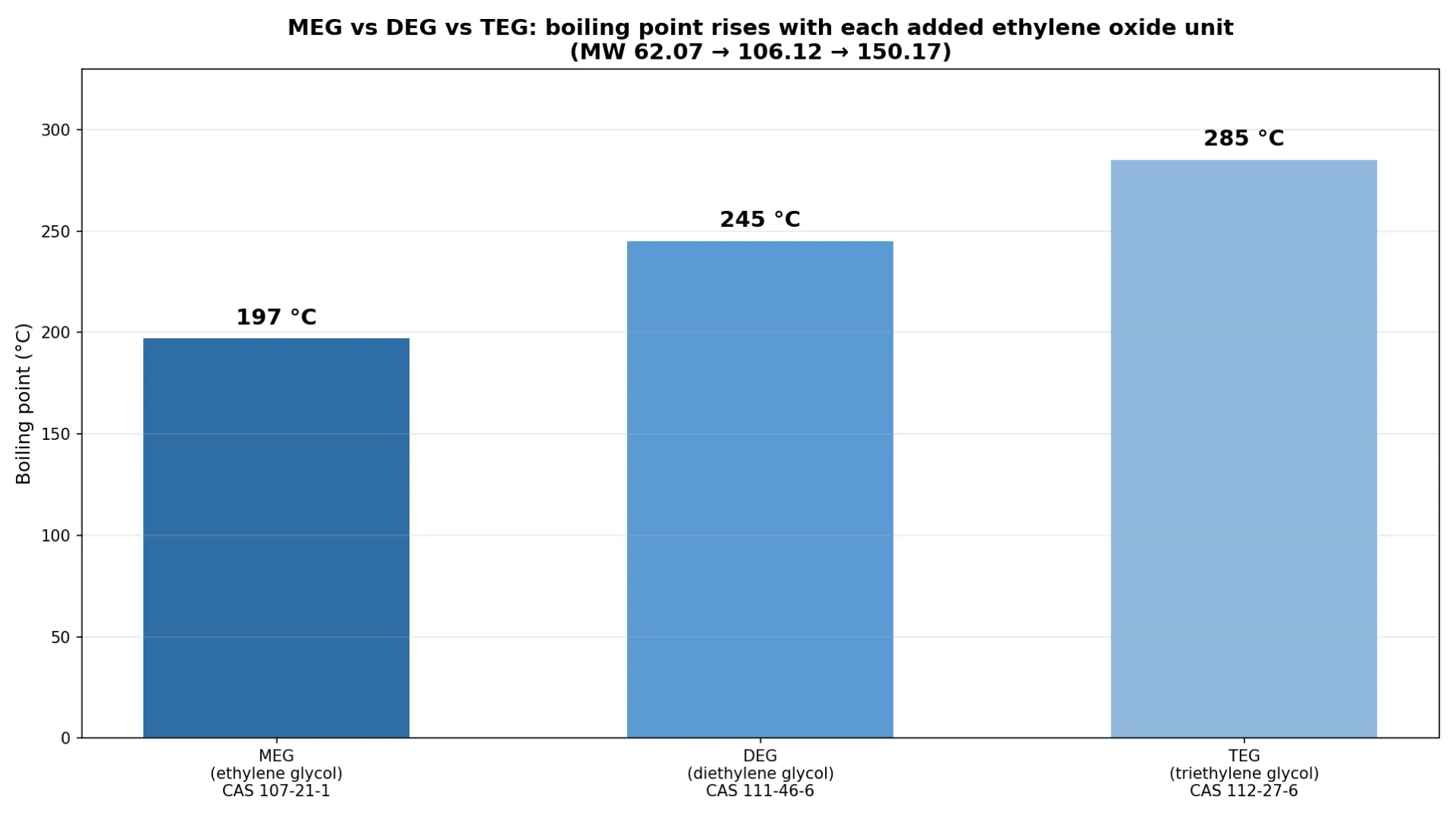
Each step adds one ethylene oxide unit (−CH2CH2O−): molecular weight 62.07 → 106.12 → 150.17, boiling point 197 → 245 → 285 °C. Sources: ICSC 0270; ECHEMI; NOAA CAMEO.
Are MEG, DEG and TEG grades of the same product?
No — they are three distinct chemicals that happen to be made in the same reactor. MEG is HOCH2CH2OH; DEG is HOCH2CH2OCH2CH2OH (two ethylene oxide units joined by an ether bond); TEG is HOCH2CH2OCH2CH2OCH2CH2OH (three units). The chain grows by one −CH2CH2O− unit each time, and with it the molecular weight and boiling point. "Ethylene glycol" without a qualifier normally means MEG (CAS 107-21-1) — but in trade, "glycol" alone is ambiguous, and DEG and TEG are also sold as "glycol". That is the single most common ordering mistake in this family: the buyer writes "glycol" on the RFQ, the seller ships whatever their "glycol" is, and the material fails the process. Put the full name and the CAS number on every RFQ, PO, and COA check.
How are they made — and why is MEG the cheapest?
All three come from one reaction: the non-catalytic thermal hydrolysis of ethylene oxide (EO) with water, at roughly 150–200 °C and 20–30 bar. EO plus water gives MEG; MEG plus another EO gives DEG; DEG plus another EO gives TEG. The product split is set by the water-to-EO ratio in the reactor feed: a large excess of water (about 20:1) means an EO molecule is far more likely to meet water than to meet a glycol molecule, so the output is about 88–90 wt% MEG, 8–10% DEG and 1–2% TEG (Korean J. Chem. Eng., 2001 review of ethylene glycols technology). Lower the water ratio and the heavier glycols rise — at 10:1 the split is roughly 80% MEG, 15% DEG, 5% TEG — but removing the excess water afterwards costs energy, so plants run water-rich and MEG is the bulk product. That is the whole price story: MEG is the main product of a large-scale process, while DEG and TEG are smaller-volume co-products that must be separated by vacuum distillation, so they cost more per tonne and have longer lead times.
How do I tell them apart on a COA or in the warehouse?
Three checks, in order. First, the CAS number on the label and the COA: 107-21-1 (MEG), 111-46-6 (DEG), 112-27-6 (TEG). Second, the assay and the boiling point: 197, 245 and 285 °C are far enough apart that a simple distillation-range or boiling-point check catches a mislabelled drum. Third, the application on the order: if the end use is PET or antifreeze and the COA says CAS 111-46-6, stop — that is DEG, not MEG. Density will not separate them: all three sit at 1.11–1.13 g/cm³. Appearance will not either: all three are colourless, viscous, hygroscopic liquids. And note the auto-ignition surprise in Table 1: DEG auto-ignites at 229 °C, far lower than MEG (398 °C) or TEG (371 °C) — a storage and handling detail that matters if DEG is kept near hot surfaces.
Which one does my process need?
Follow the application, not the price. MEG is the polyester and antifreeze glycol: the raw material for PET fibre and bottle resin, and the base of most industrial coolants. DEG is the resin and plasticizer glycol: the workhorse diol for unsaturated polyester resins, and a solvent and humectant in inks, coatings, and gas drying. TEG is the dehydration glycol: its high boiling point (285 °C), very low vapour pressure, and strong affinity for water make it the standard liquid desiccant for removing water vapour from natural gas, and it is regenerated by heating rather than replaced. TEG is also used as a plasticizer and in air-conditioning desiccant systems. Buying the cheapest glycol for a dehydration unit, or the most available one for a resin plant, is how a batch fails: the properties that make each one right for its job are the same ones that make it wrong for the others.
Can I substitute one glycol for another?
As a rule, no — and the exception proves the rule. DEG is sometimes blended in small amounts into MEG-based coolant or resin formulations, but only to a formula the formulator controls; it is not a drop-in replacement. TEG and MEG are sometimes blended for hydrate inhibition in oil and gas, again to a designed ratio. What you must never do is substitute on the basis of "it's also a glycol": the boiling points differ by ~50 °C per step, the viscosities differ, and the toxicities differ. The cautionary case is DEG itself. In 1937, DEG was used as the solvent in Elixir Sulfanilamide, a medicine; more than 100 people died, and the disaster led directly to the US Food, Drug, and Cosmetic Act of 1938. DEG's rat LD50 (12,565 mg/kg) looks "less toxic" than MEG's (4,700 mg/kg) on paper, but the human lethal dose is on the order of 1 g/kg — DEG is a poison, not a safe alternative. Any substitution needs a bench trial, a residue and compatibility check, and a revised SDS and label — never a quiet swap in the warehouse.
What Yuandafeng supplies
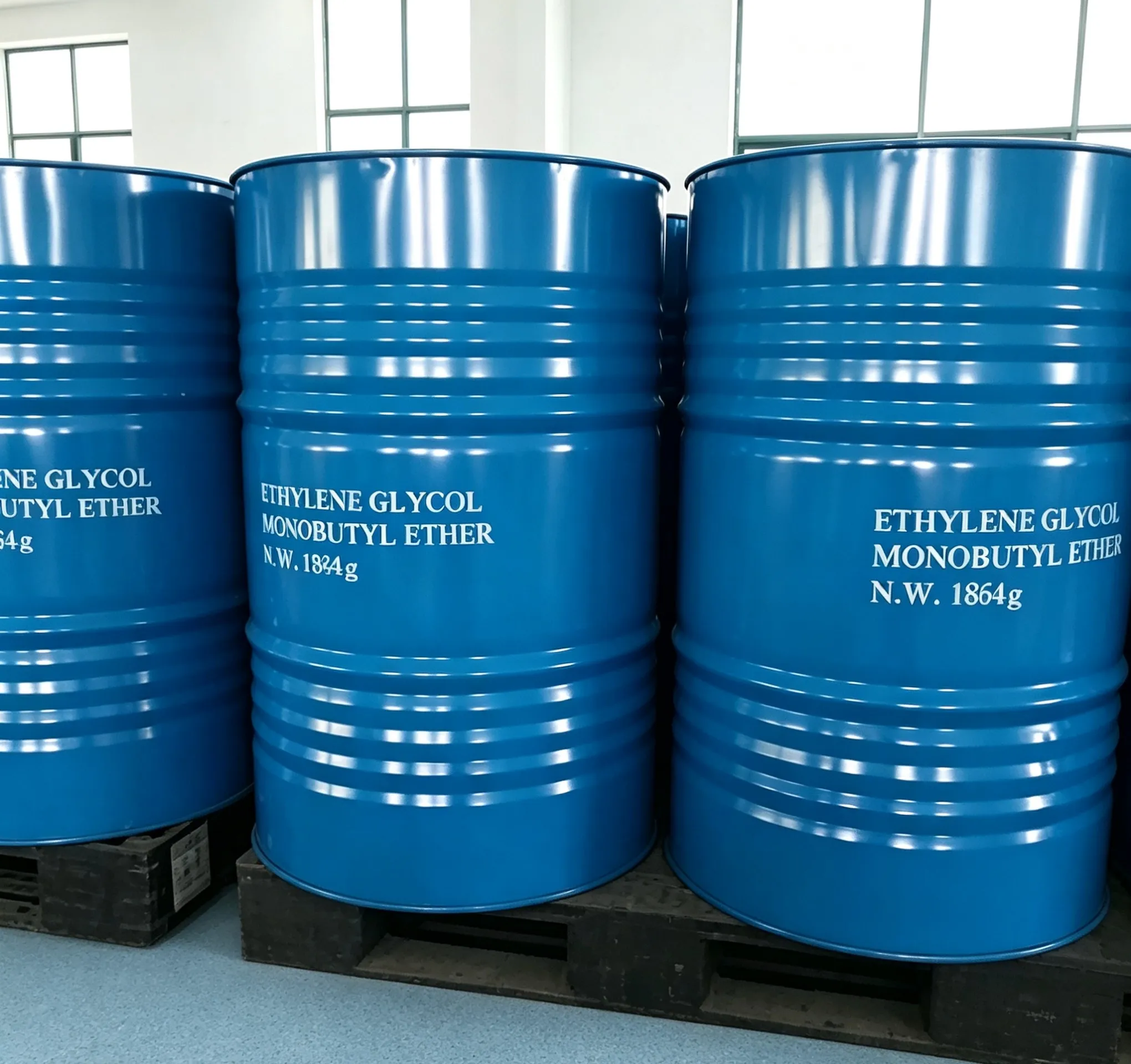
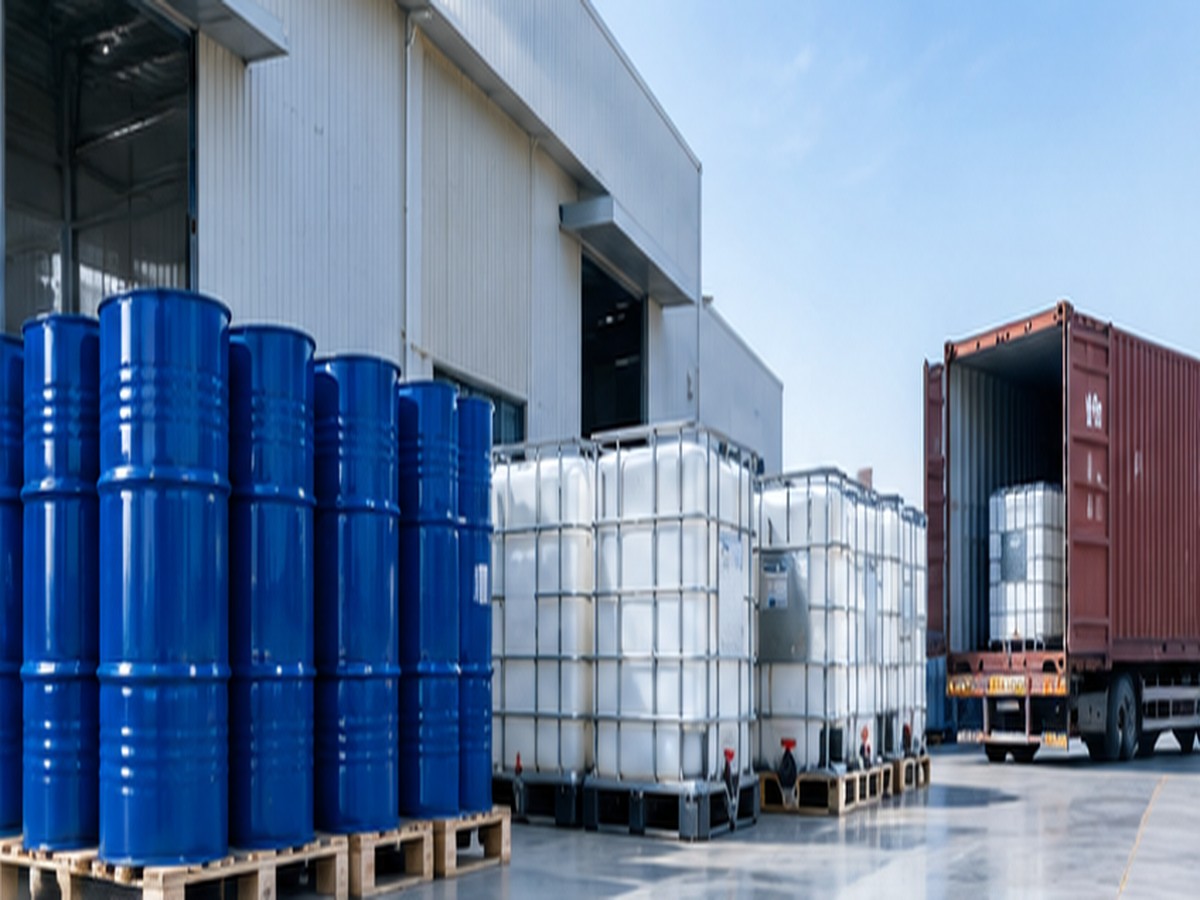
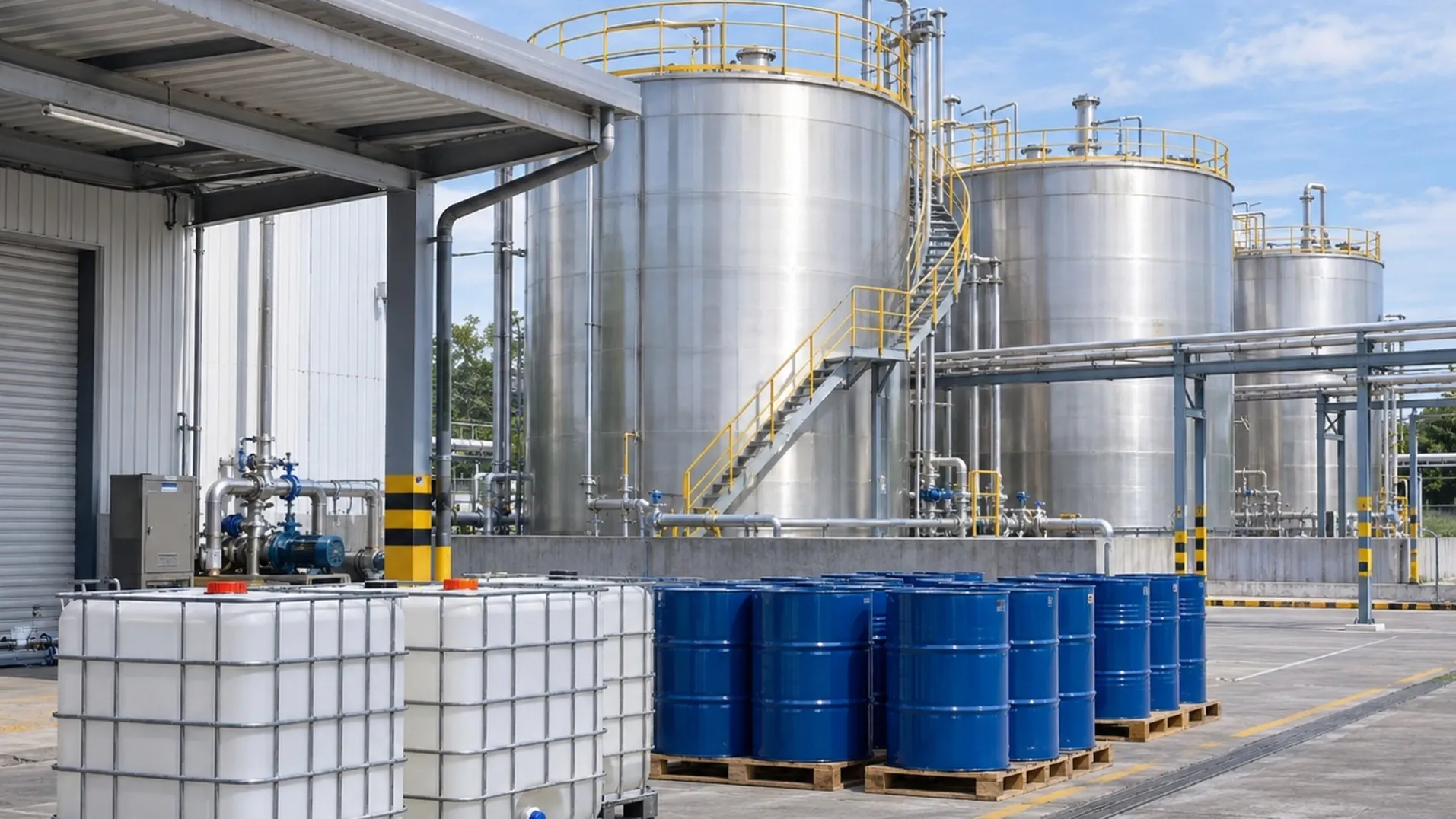
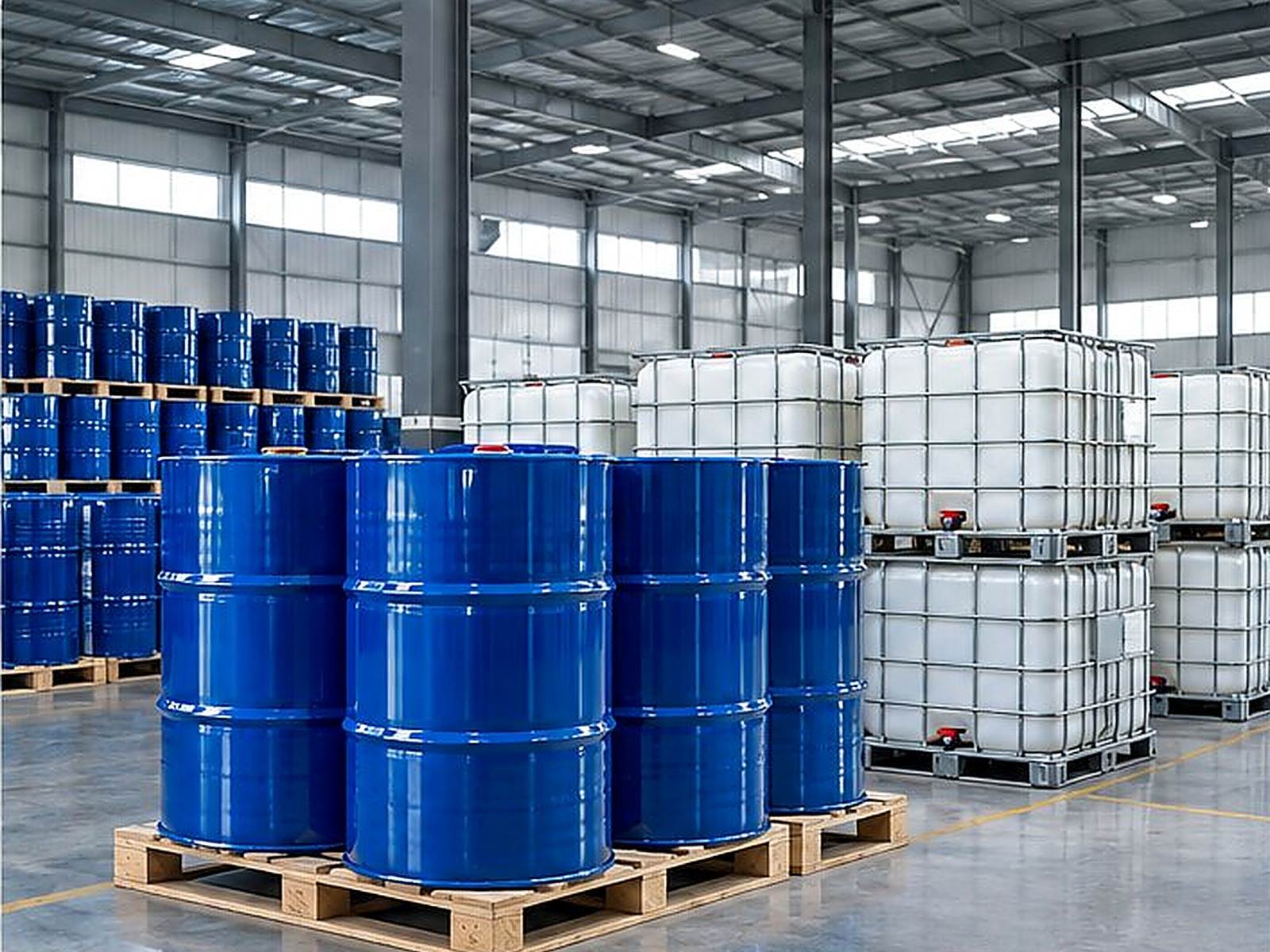
Yuandafeng supplies MEG — industrial-grade ethylene glycol 99.8% (CAS 107-21-1) — in 230 kg drums, IBC totes, and ISO tanks, with per-batch COA, SDS and TDS available on request. EG ships as UN 3082, Class 9. DEG and TEG are also available from Yuandafeng — product pages are being added, so contact us for specifications and quotes in the meantime. For MEG buyers, the checks before ordering are: confirm the CAS number (107-21-1) on the COA, confirm the assay (99.8%), and confirm the packaging and Incoterms for your port.
View Ethylene Glycol product specifications
FAQ
Is DEG the same as MEG?
No. DEG (CAS 111-46-6) is a different chemical from MEG (CAS 107-21-1): two ethylene oxide units instead of one, molecular weight 106.12 instead of 62.07, boiling point 245 °C instead of 197 °C.
Can DEG replace MEG in antifreeze?
No. DEG is more viscous, its pure freezing point (−10.45 °C) is higher than MEG's (−13 °C), it is toxic, and it is not formulated for coolant inhibitor packages. Use MEG for antifreeze.
Why is TEG used for natural gas dehydration?
Its high boiling point (285 °C) and very low vapour pressure mean it absorbs water from gas without evaporating away, and it can be regenerated by heating and reused. MEG is too volatile for the same duty.
Is TEG safe?
TEG has the lowest acute toxicity of the three (oral LD50 in rats 17,000 mg/kg), but it is still an industrial chemical: handle it by its SDS, keep it from heat and open flame (flash point 165–177 °C), and do not ingest it.
I ordered MEG but the drum says DEG — how do I check?
Check the CAS number on the label and COA first (107-21-1 vs 111-46-6), then the boiling point (197 °C vs 245 °C). If they disagree with your order, quarantine the drum and contact the supplier before use.
Methodology
Property data are taken from ICSC 0270 (MEG, May 2018), ECHEMI's GHS Rev. 8 SDS for DEG, NOAA CAMEO Chemicals datasheets for DEG and TEG, and the Alfa Aesar SDS for TEG. Production data (water:EO ratio and product split) are from the Korean Journal of Chemical Engineering review "Ethylene Glycols Technology" (2001) and a PatSnap technical review of triethylene glycol production. LD50 values are rat oral values from RTECS/SDS records; DEG's reported range is 12,565–16,500 mg/kg depending on the study. The 1937 Elixir Sulfanilamide account is the standard historical record (US FDA history).
Limitations
Flash-point values depend on the test method (open vs closed cup), so both are given for TEG where sources differ. DEG's LD50 varies by study (12,565–16,500 mg/kg); the lower value is used in Table 1 as the conservative figure. The water:EO product split (88–90% MEG at ~20:1) is a typical plant figure; exact splits depend on reactor conditions. This article covers the three glycols as chemicals; finished-formulation performance (coolant, resin) also depends on additives and the specific grade ordered.
References
- ICSC 0270 — Ethylene Glycol (ILO/IPCS, May 2018): https://inchem.org/documents/icsc/icsc/eics0270.htm
- ECHEMI — Diethylene Glycol SDS (GHS Rev. 8): https://www.echemi.com/sds/diethyleneglycol-pid_Seven1093.html
- NOAA CAMEO Chemicals — Diethylene Glycol datasheet: https://cameochemicals.noaa.gov/report?key=CH8537
- NOAA CAMEO Chemicals — Triethylene Glycol datasheet: https://cameochemicals.noaa.gov/chemical/9148
- Korean J. Chem. Eng. 18(5), 571–579 (2001) — Ethylene Glycols Technology: https://www.kiche.or.kr/journal/kjche/fulltext/18/5/571/9eb834a7
- Chemsrc — Triethylene Glycol, CAS 112-27-6 (LD50 17 g/kg, rat oral): https://m.chemsrc.com/en/cas/112-27-6_830271.html